
The Cold Air You Paid For Is Cooling Your Attic: How Leaky Duct Runs Waste a Quarter of Every Cape Coral AC Cycle
Your air conditioner is doing its job. The air leaving the coil is cold, the compressor is running, the thermostat is set where it always is. And yet the back bedroom never quite gets there, the electric bill keeps climbing, and the system runs and runs.
Before you start shopping for a new unit, check the part almost nobody looks at: the ductwork running through your attic.
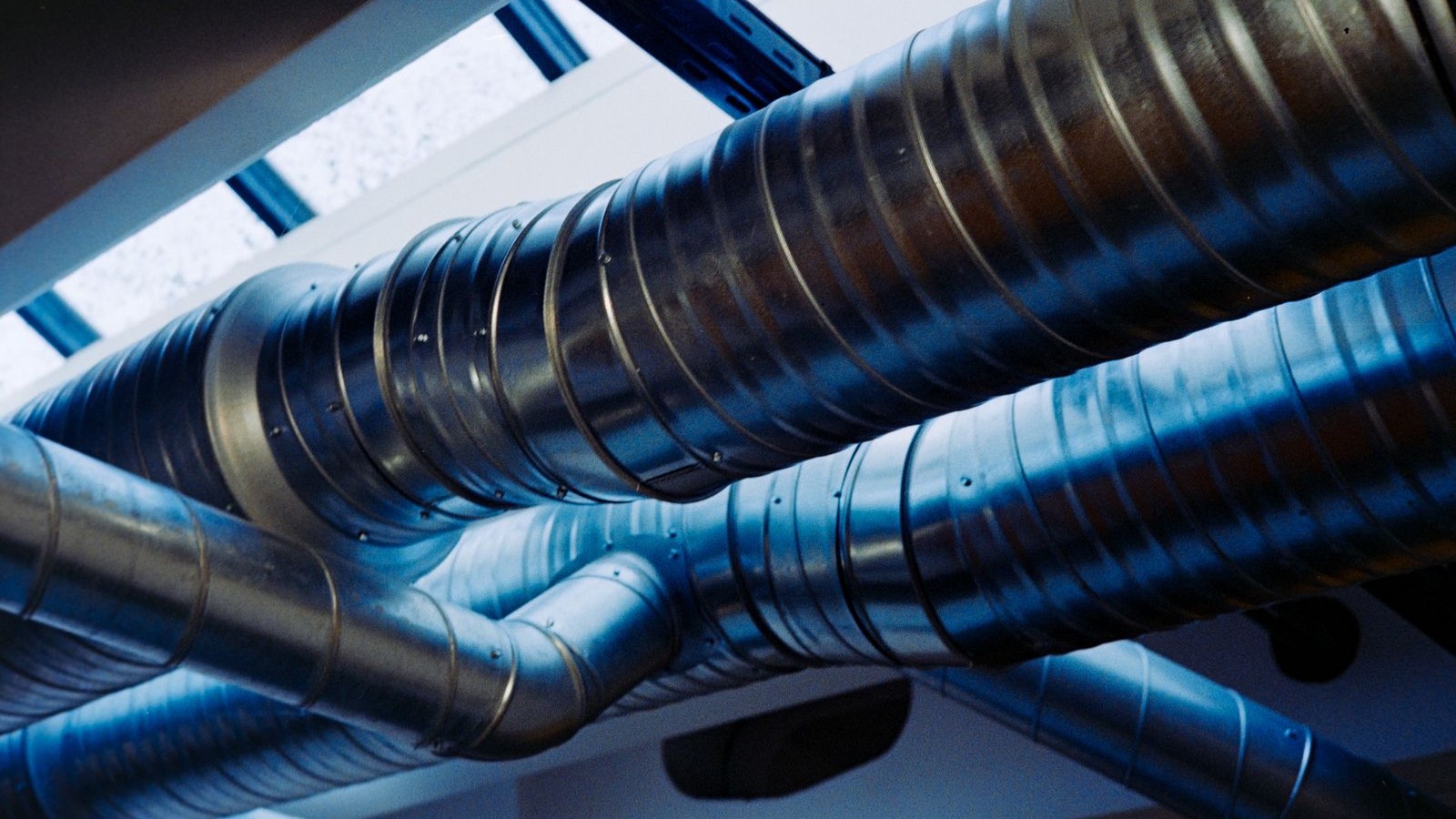
In a lot of Cape Coral and Fort Myers homes, a meaningful share of the cooled air never reaches a room at all. Industry testing has found that typical houses lose roughly 20 to 30 percent of the air moving through their duct system to leaks, disconnected joints, and poorly sealed connections. You paid to cool that air. It's now cooling your attic.
Why This Is Worse in Southwest Florida Than Almost Anywhere
Two things make attic duct leakage a bigger deal here than in most of the country.
The attic is brutally hot. On an August afternoon in Cape Coral, an unconditioned attic can sit between 120 and 140 degrees. Every foot of duct running through that space is a straw with 130-degree air pressed against it. A supply run that leaves the air handler at 55 degrees can arrive at the far register noticeably warmer even without a single hole — and with holes, you're also pulling that superheated attic air into the system through the return side.
The humidity comes along for the ride. Attic air isn't just hot, it's damp. When leaky returns pull attic air into your duct system, your AC has to remove that moisture before it can lower the temperature in your house. That's why a home can sit at 75 degrees on the thermostat and still feel sticky — the same phenomenon we covered in our look at how Florida humidity lies to your thermostat.
The result is an AC that runs longer cycles to hit the same setpoint. Longer cycles mean more electricity, more wear, and a shorter life for a system you'd like to keep for fifteen years.
The Signs You Can Spot Without a Ladder
Duct problems announce themselves in ways that get blamed on other things:
- One room that never keeps up while the rest of the house is fine. Usually the room at the end of the longest duct run.
- Weak airflow at a register you can barely feel, even when the system is running hard.
- Dust that comes back three days after you clean. Leaky returns pull attic dust and insulation fibers straight into your air.
- An electric bill that climbed without a lifestyle change. If you've already ruled out the usual suspects in our breakdown of summer bill spikes, ducts are the next place to look.
- Rooms that smell musty when the system kicks on. Related, and sometimes the same root cause — see what grows inside ductwork.
The 15-Minute Test You Can Do This Weekend
You don't need instruments to get a strong signal. You need a kitchen thermometer, a piece of tissue paper, and a quarter hour.
Step 1 — Set the stage (2 minutes)
Set the thermostat to cool, a few degrees below the current room temperature, and let the system run for ten minutes before you measure anything. Leave interior doors open.
Step 2 — Measure at the source (3 minutes)
Find the supply plenum — the large duct coming off the top of your air handler, usually in a closet or the garage. Hold your thermometer at the first register closest to the air handler and write down the temperature of the air coming out.
Step 3 — Measure at the far end (3 minutes)
Now do the same at the register farthest from the air handler. In a well-sealed, well-insulated duct system, the difference between the two should be small — a couple of degrees. If the far register is delivering air that's 5, 8, or 10 degrees warmer than the near one, that air is picking up attic heat on the way, through leaks, thin insulation, or both.
Step 4 — The tissue test at every register (5 minutes)
Hold a single sheet of tissue paper an inch below each supply register. It should push away firmly and evenly. A register where the tissue barely flutters is a room that isn't getting its share of the air, either because of a leak upstream or a crushed flexible duct.
Step 5 — The return check (2 minutes)
Hold the tissue against your return grille. It should suck flat and stay there. Then walk to the air handler closet while the system runs and feel around the cabinet seams and where the return duct meets the unit. Air being pulled in at those spots means your system is drinking from the closet and the attic instead of from your house.
If steps 3, 4, or 5 fail, you have a duct problem, not an air conditioner problem. Replacing the equipment without fixing the ducts just buys a more efficient way to cool your attic.
What a Proper Repair Looks Like
A few things separate a duct repair that lasts from one that fails by next summer:
- Mastic, not duct tape. Cloth-backed duct tape dries out and lets go in attic heat, often within a couple of seasons. Sealing is done with mastic paste or foil tape rated for the job.
- Sealing the boots and plenum, not just the visible seams. The connection where the duct meets the ceiling register — the boot — is one of the leakiest points in the whole system and one of the most commonly skipped.
- Proper insulation value. Flexible duct in a Southwest Florida attic should be insulated to modern standards. Older R-4 flex that's been compressed or torn is a heat sponge.
- Correct support and routing. Flexible duct that sags between straps, kinks around a truss, or lies buried under blown insulation restricts airflow no matter how well it's sealed.
- Verification after the work. The same register-to-register temperature check should come back tight when the job is done.
Duct sealing also changes how much cooling capacity your home actually needs. If someone has told you your system is undersized, it's worth reading how a Manual J load calculation settles the tonnage argument before you spend money on a bigger unit that may not be the answer.
The Honest Bottom Line
Duct sealing isn't glamorous. Nobody posts about it. But it's one of the few HVAC repairs where the return shows up on the next bill, the far bedroom finally matches the thermostat, and the equipment you already own stops working overtime for air it never delivers.
If your 15-minute test turned up warm air at the far register, weak flow, or a return that's breathing attic air, have it looked at before the peak of the season. Contact Seven Level Air for a duct inspection, repair, or maintenance visit, or call us at (239) 402-3911. We're veteran-owned, we'll show you what we find, and we'll tell you straight whether it's a $200 seal-up or something bigger.

