
Why Your Electric Bill Jumped $120 This Summer: 6 AC Problems LCEC Won't Tell You About
You opened your electric bill, saw a number about $120 higher than last month, and figured that's just summer in Southwest Florida. Sometimes it is. But most of the time, a jump that big isn't the weather — it's your air conditioner working harder than it should to do the exact same job.
Here's the math that matters. A typical 3-ton system in a Cape Coral home pulls somewhere around 3.5 kW while it's running. In July, that thing is running 10 to 14 hours a day. At Lee County rates, you're already looking at roughly $150 to $200 a month just to keep the house cool. So when your AC loses 30 to 40 percent of its efficiency — which happens quietly, over weeks — that's your $120. Same house. Same thermostat setting. Just a system that has to run longer to get there.
Your utility can tell you how much power you used. It can't tell you why. That part's on the equipment, and these are the six things we find most often.
The Six Things Quietly Running Up Your Bill
1. A filter that's past its limit
This is the cheapest problem on the list and the most common. A loaded filter chokes airflow across the indoor coil, so the system runs longer cycles to move the same amount of heat out of your house. In Florida, with the AC running nearly year-round, a 1-inch filter needs changing every 30 days in summer — not every 90 like the box says. If you have pets or you're running construction dust, make it sooner.
2. Refrigerant that's slowly leaking out
Refrigerant isn't consumed like fuel. If you're low, there's a leak somewhere. A system that's undercharged still blows cold-ish air, so it's easy to live with for months — but it can't pull heat out of the house efficiently, so it never satisfies the thermostat and just keeps running. That's the version of this problem that hurts your bill. Topping it off without finding the leak is a temporary fix you'll pay for again.
3. An outdoor coil packed with dirt
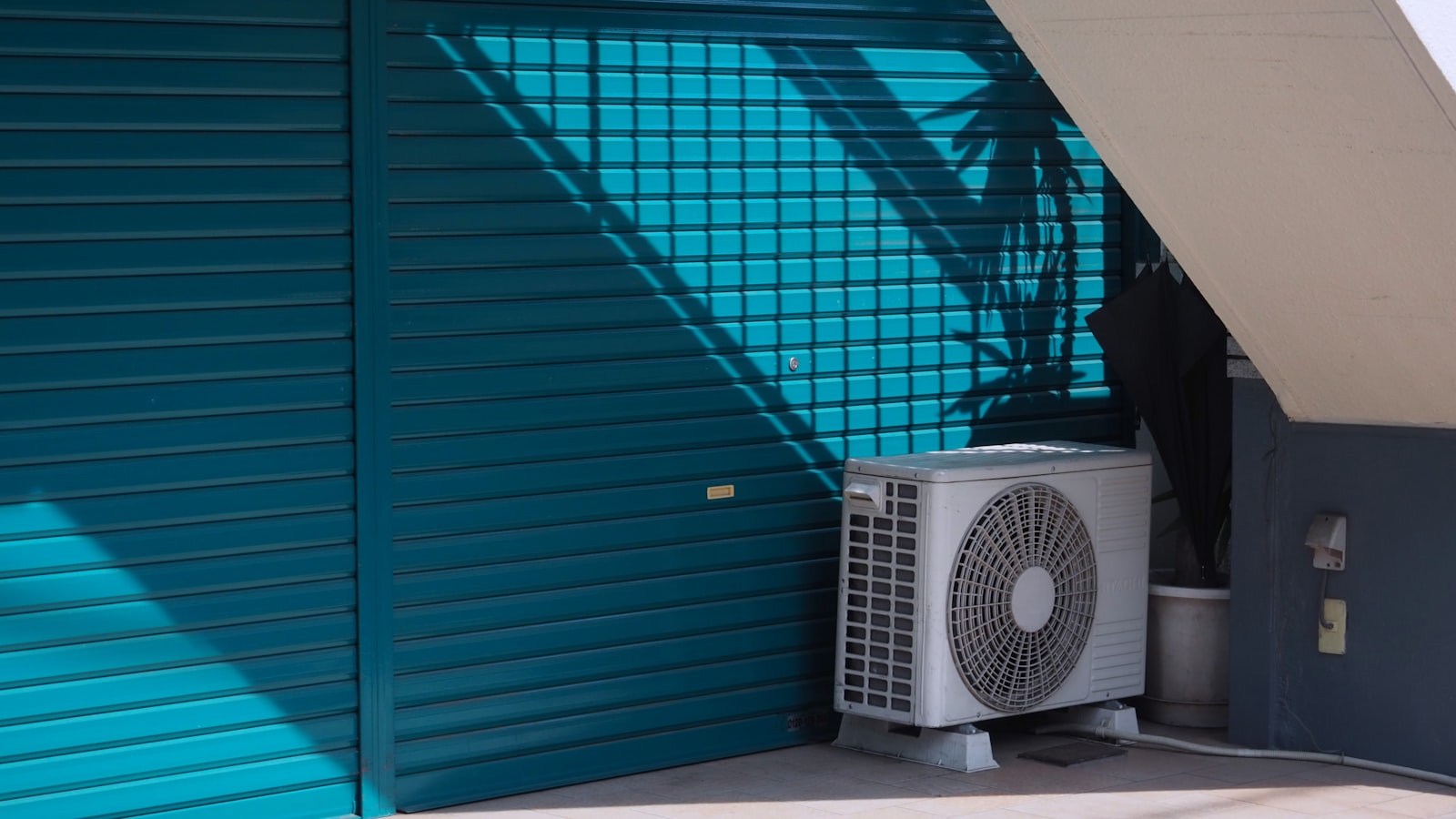
The condenser outside is how your house dumps its heat. When the coil fins are coated in grass clippings, dryer lint, salt film, and the fine dust that settles here all dry season, heat can't escape. Head pressure climbs, the compressor draws more amps, and efficiency drops. This is one of the biggest, most preventable losses we see — and it's usually invisible unless somebody actually looks at the coil, not just the unit.
4. Duct leaks in a 130-degree attic
Most homes here run their supply ducts through the attic. If the connections have loosened or the insulation has slumped, you're cooling attic air and paying for it. Ten to twenty percent duct leakage is common in older SWFL homes, and it shows up as long run times plus rooms at the far end of the house that never quite cool down. If one bedroom is always warmer than the rest, start looking here.
5. A weak capacitor or a hard-starting compressor
Motors pull their biggest current at startup. When a capacitor is failing, the compressor labors to start, draws extra amperage every single cycle, and sometimes trips out and restarts — short cycling. You get dozens of expensive starts a day instead of a few long, efficient runs. A capacitor is an inexpensive part. Replacing the compressor it took out is not.
6. A system that was never right for the house
Bigger is not better. An oversized unit cools the air fast, shuts off before it has pulled the humidity out, and leaves you with a house that feels clammy at 76 — so you drop the thermostat to 72 to compensate. Now you're paying for both the short cycling and the lower setpoint. An undersized or badly aging system has the opposite problem: it simply never stops running in August. Either way, the bill tells the story.
How to Tell Which One Is Yours
Two quick checks you can do yourself. First, pay attention to run time — if your AC almost never shuts off between about 3 and 7 p.m., something is limiting its capacity. Second, put a thermometer in a supply vent and another at the return. A healthy system typically shows a 16 to 22 degree drop across the coil. Much less than that means poor capacity; much more usually means an airflow restriction.
Those two checks narrow it down. They don't tell you whether it's the coil, the charge, or the ducts — and that's fine. That's a diagnosis, not a guess, and it takes gauges and a set of eyes on the equipment.
Fixing the Cause, Not the Symptom
Most of what's on this list is maintenance, not replacement. A cleaned condenser coil, sealed duct connections, a correct refrigerant charge, and a fresh filter routinely give a homeowner back a meaningful chunk of that $120 every month for the rest of the season — and they extend the life of equipment that's expensive to replace early.
We're veteran-owned, we work in Cape Coral and Fort Myers homes every day, and we'll tell you straight which of these six is driving your bill — including when the honest answer is "nothing, it's just been a brutal month." No pressure, no jargon, and we stand behind the work.
Call Seven Level Air at (239) 402-3911 or visit https://sevenlevelair.com to get your system checked before next month's bill shows up.

