
Salt Air Is Eating Your Condenser: Why Coastal Cape Coral AC Units Die Early — and the Rinse Routine That Stops It
Two identical air conditioners get installed on the same day by the same crew. One goes on a home three miles inland off Del Prado. The other goes on a canal-front house a few hundred yards from open water. Ten years later the inland unit is still running fine and the waterfront unit has already been replaced.
Same brand. Same tonnage. Same install. The difference is the air.
What salt air actually does to your outdoor unit
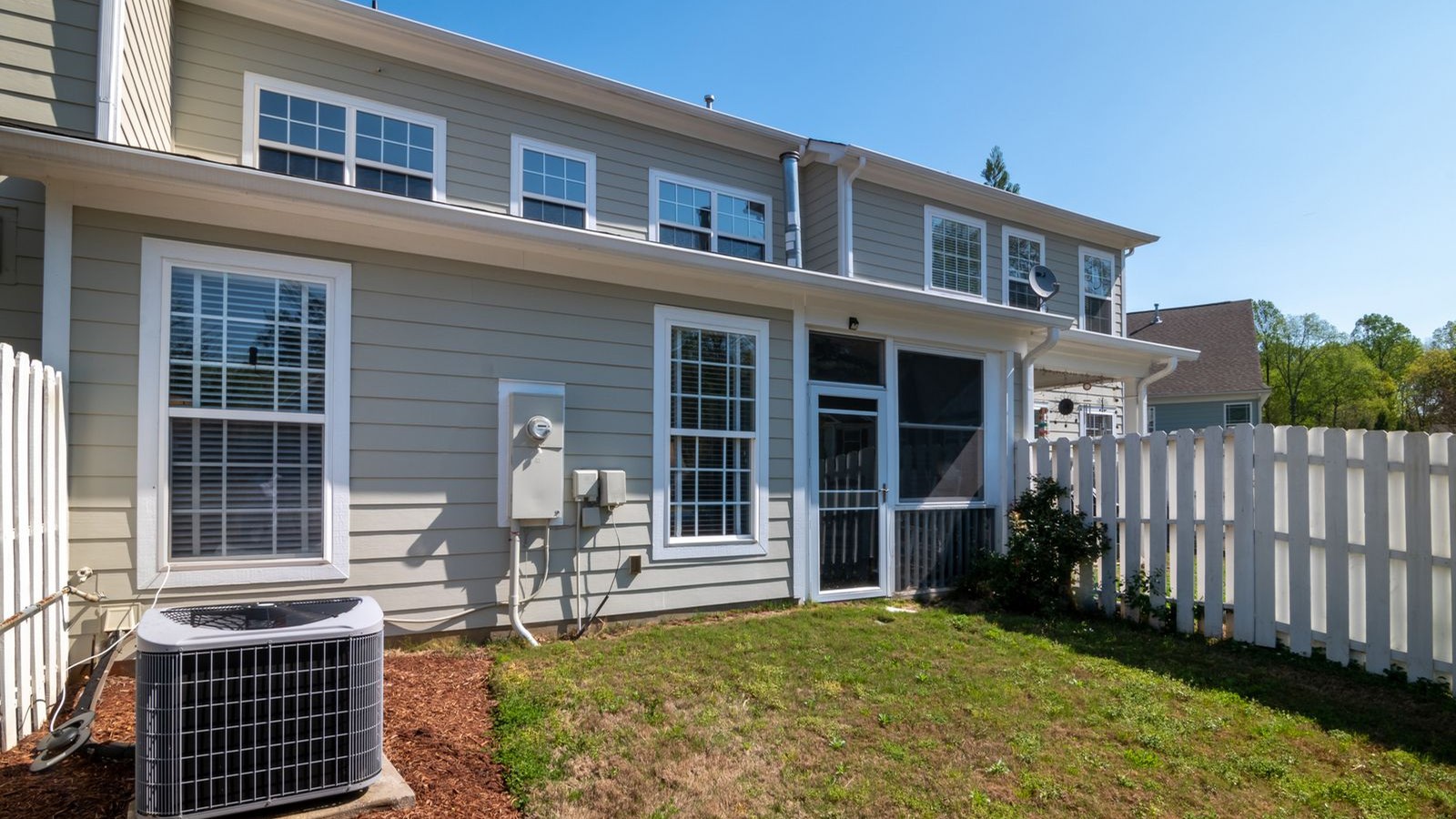
The outdoor half of your system — the condenser — is a big metal box wrapped in thin aluminum fins with copper tubing running through them. Its whole job is to dump the heat your house collected into the outside air. To do that, it pulls an enormous volume of outside air across those fins every day.
Near the coast, that air carries salt. The salt settles on the fins, absorbs moisture out of our humidity, and sits there as a damp, salty film. That film eats aluminum. It starts as a white chalky bloom between the fins, then the fins get soft and crumbly, then the metal thins out and the fin pack starts to fall apart.
Two things break as that happens. First, corroded fins do not transfer heat well, so the system runs longer and works harder for the same cooling — which shows up on your electric bill before it ever shows up as a breakdown. Second, corrosion works its way toward the copper and the joints, and a pinhole in a refrigerant line is the failure that usually ends the conversation, because at that point you are talking about a replacement, not a repair.
How close to the water is "coastal"?
Closer than most people think. Salt aerosol carries well inland on our sea breeze, and around here the canal system brings brackish water into neighborhoods that do not feel coastal at all. As a rough guide for Cape Coral and Fort Myers:
- Direct waterfront or within a few blocks of the Gulf or the river — heavy exposure. This is where we see systems lose years off their life.
- Canal-front anywhere in Cape Coral — moderate exposure, and more than most homeowners expect.
- A few miles inland — light exposure, but not zero. Storm winds push salt air well past the neighborhoods that normally get it.
If you can taste salt on the air on a breezy afternoon, your condenser is breathing it every minute of every day.
The rinse routine that actually stops it
The good news is that the fix is free, takes about ten minutes, and works. Salt only does damage while it is sitting on the metal. Rinse it off regularly and you interrupt the whole process.
Once a month if you are on the water, once a quarter if you are inland. Here is the routine:
- Kill the power first. There is a disconnect box on the wall next to the unit — pull it, or switch the breaker off. Do not skip this step.
- Clear the area. Pull weeds, trim anything growing within two feet, and get the leaves and grass clippings out of the base.
- Rinse with a regular garden hose. Plain water, normal pressure, spray straight through the fins from the outside in. Work your way around all four sides and take your time.
- Never use a pressure washer. Those fins are about as thick as a soda can. A pressure washer folds them flat, and flattened fins choke airflow exactly the way corrosion does. If you have already done it, that damage is fixable — a technician can comb them back out.
- Let it dry, restore power, and you are done.
One more thing worth checking while you are back there: where your sprinklers land. Irrigation water in Southwest Florida is often well or reclaimed water loaded with minerals, and a sprinkler head that sprays the condenser four mornings a week does more damage than the sea breeze does. Turn that head or move it.
What we do that a garden hose cannot
A rinse handles the surface. The parts you cannot see need a set of eyes on them once a year, and that is most of what a maintenance visit is for on a coastal system: checking the fins for real thinning versus surface bloom, inspecting the copper and the brazed joints for early corrosion, checking the contactor and electrical connections (salt air pits those too, and a pitted contactor is a common no-cool call), verifying refrigerant charge, and clearing the drain line before it backs up. We covered what that visit is worth against the alternative in the real cost of skipping AC maintenance.
There is also a coil cleaning step we do that you should not attempt at home. Coil cleaners are formulated for the metal and rinsed thoroughly — the household degreasers people reach for are often alkaline enough to attack aluminum on their own, so the "cleaning" ends up accelerating exactly what you were trying to prevent.
If you are replacing anyway, buy for the salt
When a waterfront system reaches the end, ask specifically about coastal protection on the replacement. Manufacturers offer coated coils and corrosion-resistant cabinets built for exactly this environment, and on a canal-front home the added cost is small next to the years it buys back. Ask which protection package a quote actually includes — it is easy to compare two bids that look identical on tonnage and efficiency while one is built for salt air and the other is not. And while you are planning ahead, our guide to protecting your outdoor unit before a storm covers the other thing coastal systems have to survive.
Get eyes on it before it costs you a system
Corrosion is slow and quiet. It does not trip a breaker or make a noise — it just takes years off the system while your electric bill creeps up, and then one summer afternoon the unit is done. Ten minutes with a hose every month buys back most of that, and an annual inspection catches the rest.
If you are on the water in Cape Coral or Fort Myers and no one has looked closely at your condenser in a while, contact us for an inspection, repair or maintenance visit or call (239) 402-3911. We will tell you straight whether you are looking at surface bloom or real damage — and if it is just surface bloom, we will tell you that too.

