
AC Installation Day: What Actually Happens, How Long It Takes, and What a Cape Coral Homeowner Should Expect
Most Cape Coral homeowners who schedule an AC replacement have never actually watched one happen. They know the old system is dying and they know the price — but the day itself is a blank spot on the calendar, and that uncertainty is usually what makes people put the decision off another summer. Here's what install day actually looks like when Seven Level Air replaces a system, start to finish.
Before the Truck Even Arrives
A real install starts before the technicians show up. If you went through a proper Manual J load calculation during your quote, the new system is already sized for your home — not just swapped in at the same tonnage as the old one because that's easier. The permit should already be pulled with Lee County too; skipping that step is how homeowners end up with a closing-table problem years later when a buyer's inspector asks for records that don't exist.
Hour One: Power Down and Teardown
The crew kills power at the breaker before touching anything — the first and most basic safety step, and one worth confirming if you ever hire someone who skips it. The old outdoor condenser gets disconnected from the refrigerant lines and electrical whip, and the indoor air handler or coil comes out next. On a typical single-system Cape Coral home, teardown runs 45 minutes to an hour. If your ductwork is original to the house, this is also the point where a good technician will flag whether it needs attention — a brand-new unit connected to old, leaky ducts won't perform the way the spec sheet promises.
Hours Two Through Four: The New System Goes In
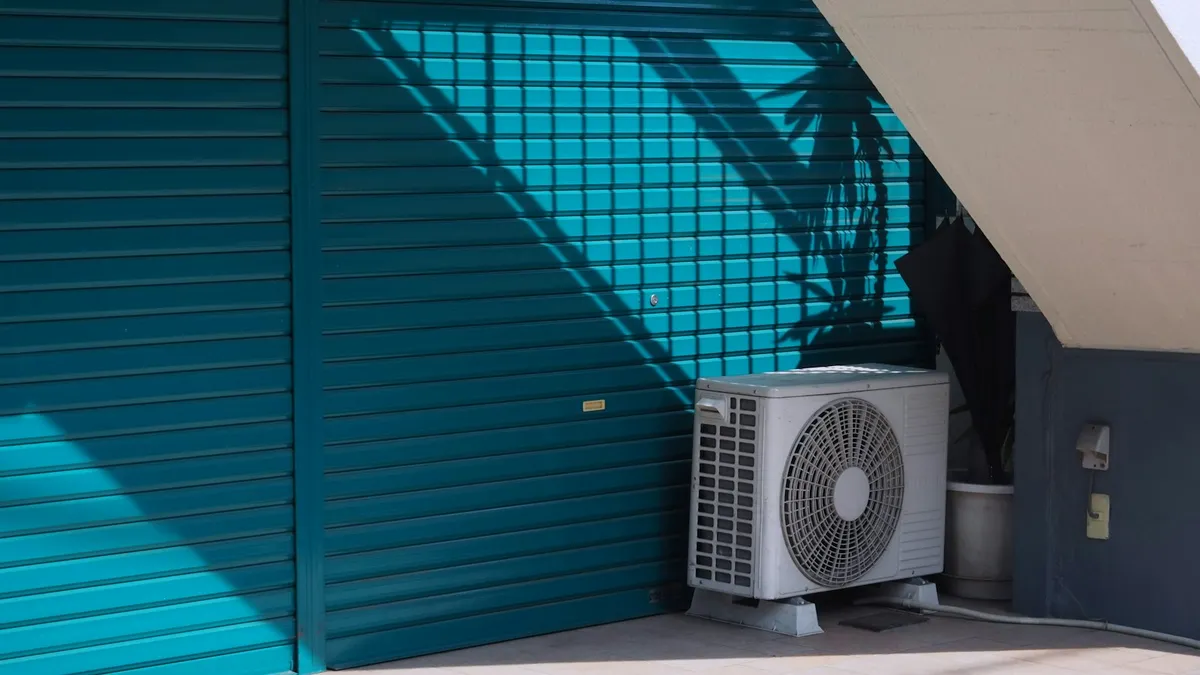
This is the part that actually separates a system that lasts 15 years from one that's calling for warranty repairs at year seven. The line set gets run, brazed, and pressure-tested for leaks before anything is charged with refrigerant — a step that's invisible once the covers go back on, but it's the difference between a system that holds its charge and one that's slowly losing refrigerant from month one. The new outdoor condenser gets set on a level pad with proper clearance, the indoor unit gets mounted and connected to your ductwork or air handler closet, and the electrical connections get made and tested.
Expect the compressor startup and initial charge to take another 30-45 minutes once everything is connected — this is where refrigerant gets weighed in to the manufacturer's spec rather than just running until the system "feels cold," which is how undercharged systems quietly underperform for years without ever throwing an obvious error.
The Last Hour: Testing, Walkthrough, and Paperwork
A full install should end with the system running through a complete cycle while the technician checks supply air temperature, static pressure, and refrigerant levels against the manufacturer's numbers — not just a five-minute "it's blowing cold" check. You should get a walkthrough of the new thermostat, the filter location and size, and what your warranty actually covers and requires (keep those maintenance records — manufacturers do check them before honoring a claim). The permit documentation and any manufacturer registration should be handled before the crew leaves, not left as a follow-up task you have to remember.
Total Time: One Day, Almost Always
For a standard single-system replacement with no major ductwork repairs, plan on 6-8 hours — a full workday, but one day. Jobs that stretch into a second day are usually ones where teardown revealed a problem the quote couldn't see in advance: damaged ductwork, an undersized electrical panel, or line-set routing that needs rework. A contractor who tells you upfront that your job might run long because of something specific they saw during the quote is being straight with you; one who promises every job wraps in three hours regardless of what's behind your walls usually isn't.

