
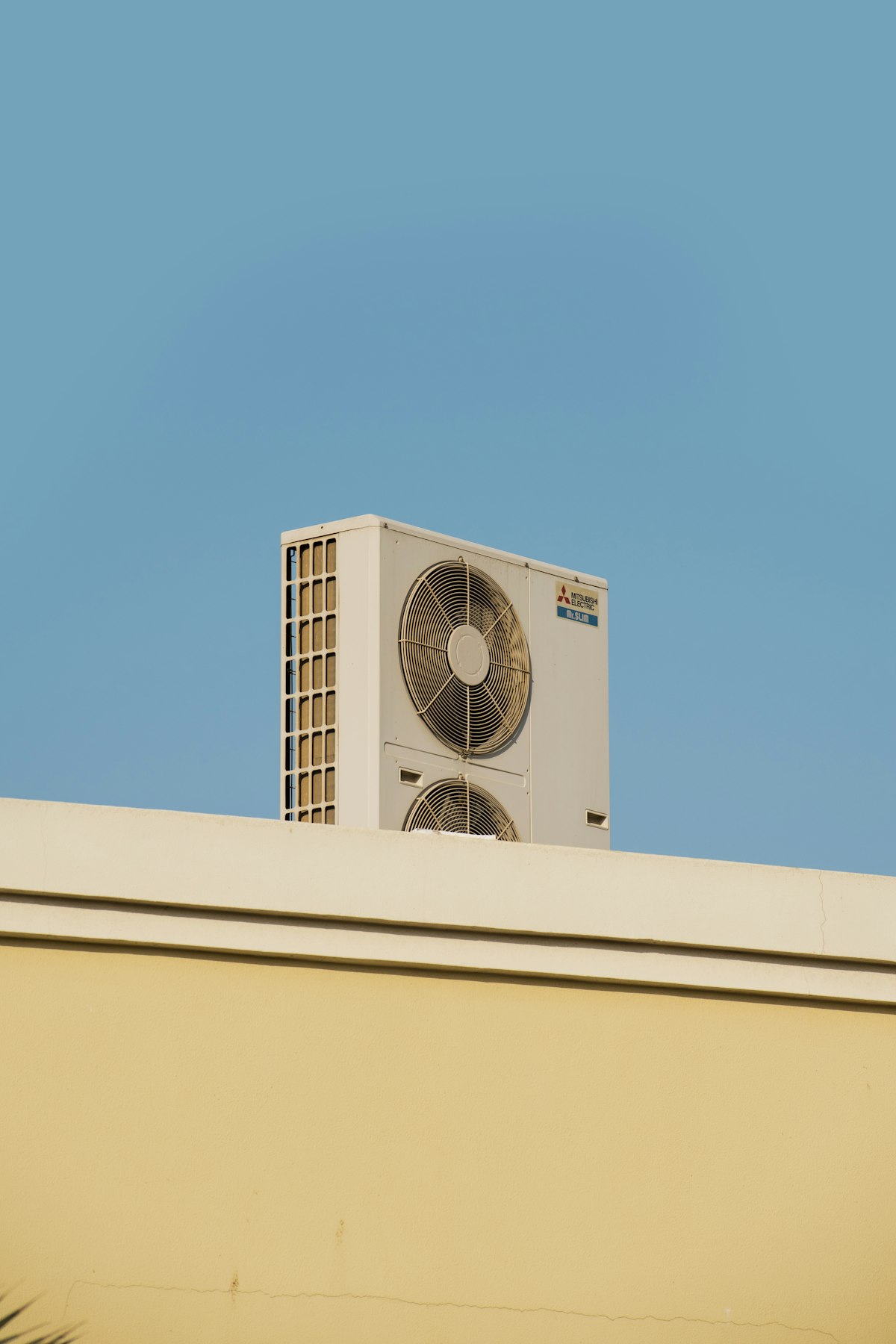
The Permit Question Cape Coral Homeowners Forget to Ask: Why an Unpermitted AC Install Can Cost You at Resale
Homeowners getting ready to list a house in Cape Coral or Fort Myers usually worry about the roof, the pool cage, and whatever's growing in the lanai screen. The air conditioner rarely makes the list — until a buyer's inspector or the title company pulls up the county's permit history and finds nothing on file for a system that's clearly only a few years old.
That gap can stall a closing. Here's what to know before it's your closing on the line.
Why a Full AC Replacement Needs a Permit in Lee County
Swapping a capacitor or a blower motor doesn't need a permit. Replacing the whole system — outdoor condenser, indoor air handler, or both — does. Lee County requires a mechanical permit (and often an electrical permit) for a full changeout, plus a final inspection before the job is considered closed. That's not red tape for its own sake: post-2004 hurricane code tightened how outdoor units have to be secured, and inspectors are checking that the new system is actually strapped, wired, and sized the way the code requires — not just that it turns on and blows cold air.
A licensed contractor pulls the permit under their own license, schedules the inspection, and gets it signed off. When that step gets skipped — often to save a few days or a permit fee — the county's public record for that address simply shows no AC work was ever done, no matter how new the unit sitting in the side yard looks.
What It Costs You When the Gap Shows Up at Resale
Florida closings lean hard on paperwork. Buyers' agents increasingly pull Lee County permit history as a matter of course, appraisers note the mismatch between an "unpermitted" or open permit and a system that's clearly been replaced, and title companies can flag it outright. Any of those can mean:
- A delayed closing while a permit gets pulled after the fact
- A buyer asking for a price credit to cover the risk
- An insurance underwriter questioning whether the unit meets current wind-mitigation requirements, which can affect your homeowner's premium
None of this means the AC itself is unsafe or poorly installed. It means there's no official record proving it — and in a real estate transaction, no record is treated the same as a problem.
How to Check What's on File for Your Home
You don't need to guess. Lee County's Community Development permit search is public — search your address and you'll see every permit ever pulled, along with its status: finaled, open, or none at all. If you had an AC system replaced and don't see a corresponding mechanical permit closed out around that date, that's your answer.
If you're not sure who installed your current system or when, a straight answer is easy to get: any licensed HVAC company can pull the model and serial numbers off the equipment and tell you roughly how old it is, which at least tells you what year to search.
If You Find a Gap, Here's What Actually Happens Next
An after-the-fact permit is possible, but it's rarely as simple as pulling the original permit would have been. The county may require the equipment to be inspected as installed, which sometimes means opening up access panels, exposing electrical connections, or in some cases correcting strapping or clearances that were never brought up to current code the first time. It's fixable — it's just more expensive and slower to fix after the fact than to do right at install time, and it's a lot easier to handle before your house is under contract than during a 15-day inspection period.
How We Handle Permits on Every Install
Every full system we install at Seven Level Air ships with the permit pulled and the final inspection scheduled as part of the job — not as an upsell, and not as a step that gets skipped when things get busy. That's part of what "guarantee" means to a veteran-owned company: the paperwork protects you the same way the equipment does, especially the day you decide to sell.
If you're getting ready to list your Cape Coral or Fort Myers home and aren't sure what's on file for your AC, we're happy to take a look and point you in the right direction — no pressure, no scare tactics. Contact us for an inspection or call (239) 402-3911.

