
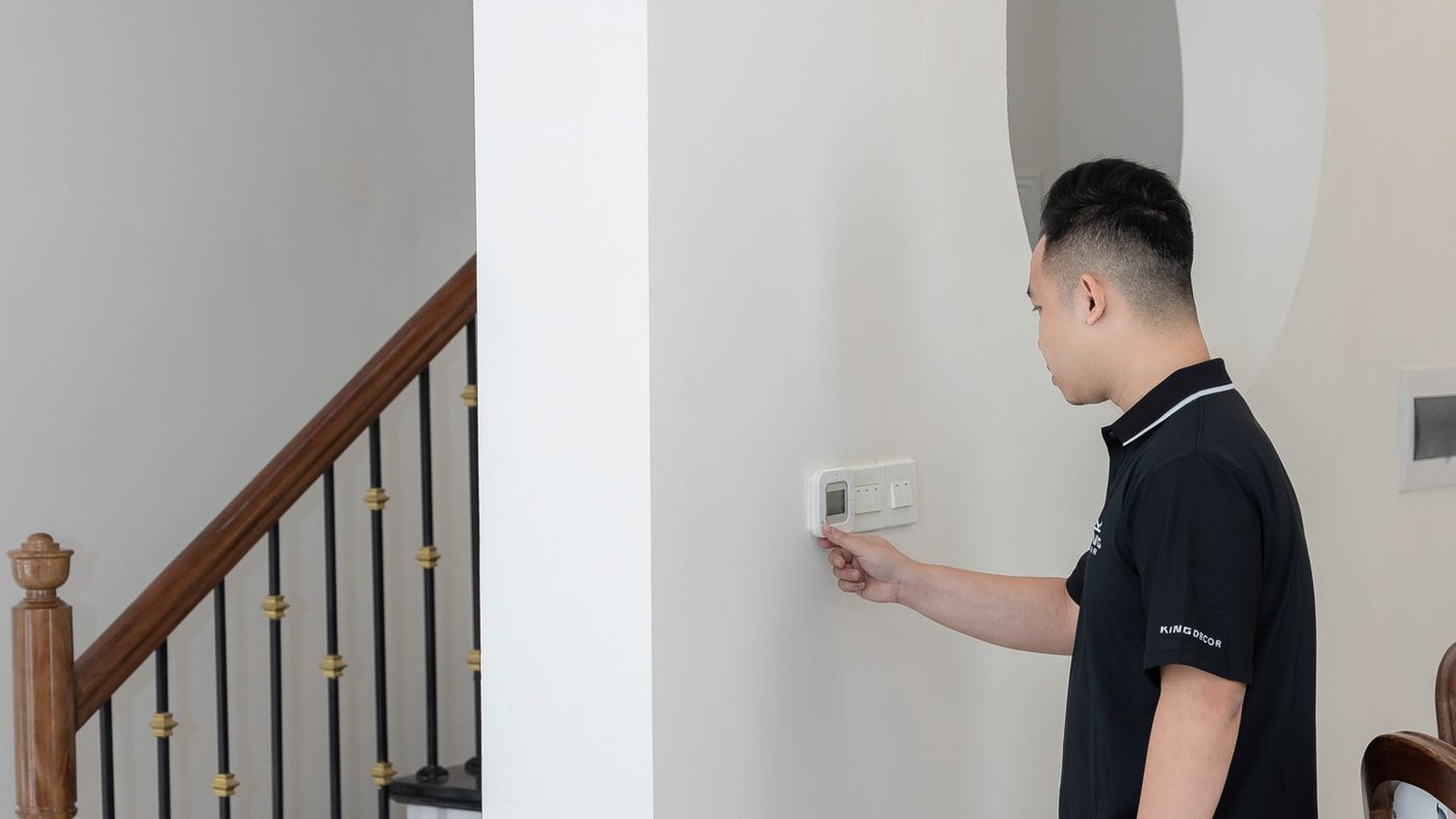
Why Closing Vents in Spare Rooms Is Costing You Money (and 4 Other AC Myths Florida Homeowners Still Believe)
Some AC advice gets passed around Cape Coral and Fort Myers neighborhoods so often that it stops sounding like advice and starts sounding like fact. Close the vents in the guest room. Crank it to 68 to cool the house faster. Bigger unit, colder house.
Every one of those costs you money in Southwest Florida. Here are five we hear on service calls almost every week, and what actually happens inside your system.
Myth 1: Close the vents in rooms you don't use
It feels obvious. Fewer rooms to cool, less work for the AC, smaller bill.
That is not how a ducted system works. Your air handler is sized to move a specific volume of air. When you close registers, that air does not disappear — it gets shoved back into the remaining ductwork, and static pressure climbs. Higher static pressure means the blower works harder, airflow across the indoor coil drops, and the system runs longer to hit the same thermostat setting.
Two things follow. Your electric bill goes up, not down. And low airflow across the coil is exactly the condition that leads to a frozen evaporator — the "my AC is running but nothing cold is coming out" call we take all summer.
There is a humidity problem too. Closed-off rooms in Florida do not stay neutral. They sit warm, still, and damp, and that is where you find mildew on the closet wall in October.
What to do instead: leave the registers open and the interior doors open. If one room is genuinely wasting cooling, that is a duct balancing or zoning conversation, not a vent-lever conversation.
Myth 2: Setting it to 68 cools the house faster
Your AC has one speed: on. A single-stage system produces the same amount of cold air whether the thermostat says 74 or 64. Setting it lower does not accelerate anything — it just moves the finish line further away, so the system runs longer than it needed to.
What you get is an overshoot: the house eventually gets colder than you wanted, you bump it back up, and you paid for the extra runtime in between.
What to do instead: set the temperature you actually want and leave it there. If the house is not getting there at all during the afternoon, that is a capacity, airflow, or refrigerant issue worth having someone look at.
Myth 3: A bigger unit is always better
An oversized system cools the air fast and shuts off fast. In a dry climate that is fine. In Southwest Florida it is a real problem, because pulling humidity out of your air takes runtime. Short cycles do not run long enough to dehumidify.
That is why an oversized system produces the complaint we hear most: "It's set at 75 but the house feels clammy." The thermostat is satisfied. The air is still holding moisture. You feel the moisture, not the number.
Short cycling also wears out components faster — every start is harder on a compressor than continuous running.
What to do instead: size the replacement off a load calculation for your home, not off what happened to be in the closet before.
Myth 4: Turn it off completely when you leave for the day
In July, a Cape Coral house left with the AC off does not just get hot. It gets humid. Then your system has to pull both the heat and the moisture back out when you get home, which takes hours and often costs more than a modest setback would have.
Worse, sustained indoor humidity is how you end up with musty air, warped doors, and mold on cool surfaces.
What to do instead: set it up a few degrees while you are out, not off. Leaving for the season is a different plan entirely — humidity control, not comfort, becomes the whole job.
Myth 5: Skip maintenance if it's running fine
An air conditioner almost never announces a problem early. A dirty coil, a weak capacitor, a slow drain-line clog, a small refrigerant leak — the system keeps cooling right up until it doesn't, usually in the middle of the hottest week of the year.
Two things maintenance actually buys you in Southwest Florida. It catches the cheap fix before it becomes the expensive one — a clogged drain line is a routine service item until it overflows into your ceiling. And it keeps your manufacturer warranty intact, because most warranties require documented annual service.
The salt air on this coast makes it more urgent than it would be inland. Condensers here work in a corrosive environment 365 days a year.
The pattern behind all five
Every one of these myths is someone trying to make the system work less. But your AC is not paid by the hour — it is paid by how hard it has to work to hit a target. Restricted airflow, oversized equipment, humid recovery loads, and deferred maintenance all make it work harder per degree of cooling.
Give it clear airflow, a steady setpoint, correct sizing, and an annual once-over, and it will cost you less and last longer. That's the whole trick.
Not sure which one is happening in your house?
If your rooms cool unevenly, the house feels damp at a comfortable setpoint, or the bill jumped without an obvious reason, we will come look and tell you straight what is going on — including when the answer is "nothing, it's fine."
Seven Level Air is veteran-owned and serves Cape Coral and Fort Myers. Call (239) 402-3911 or visit sevenlevelair.com to schedule.

