
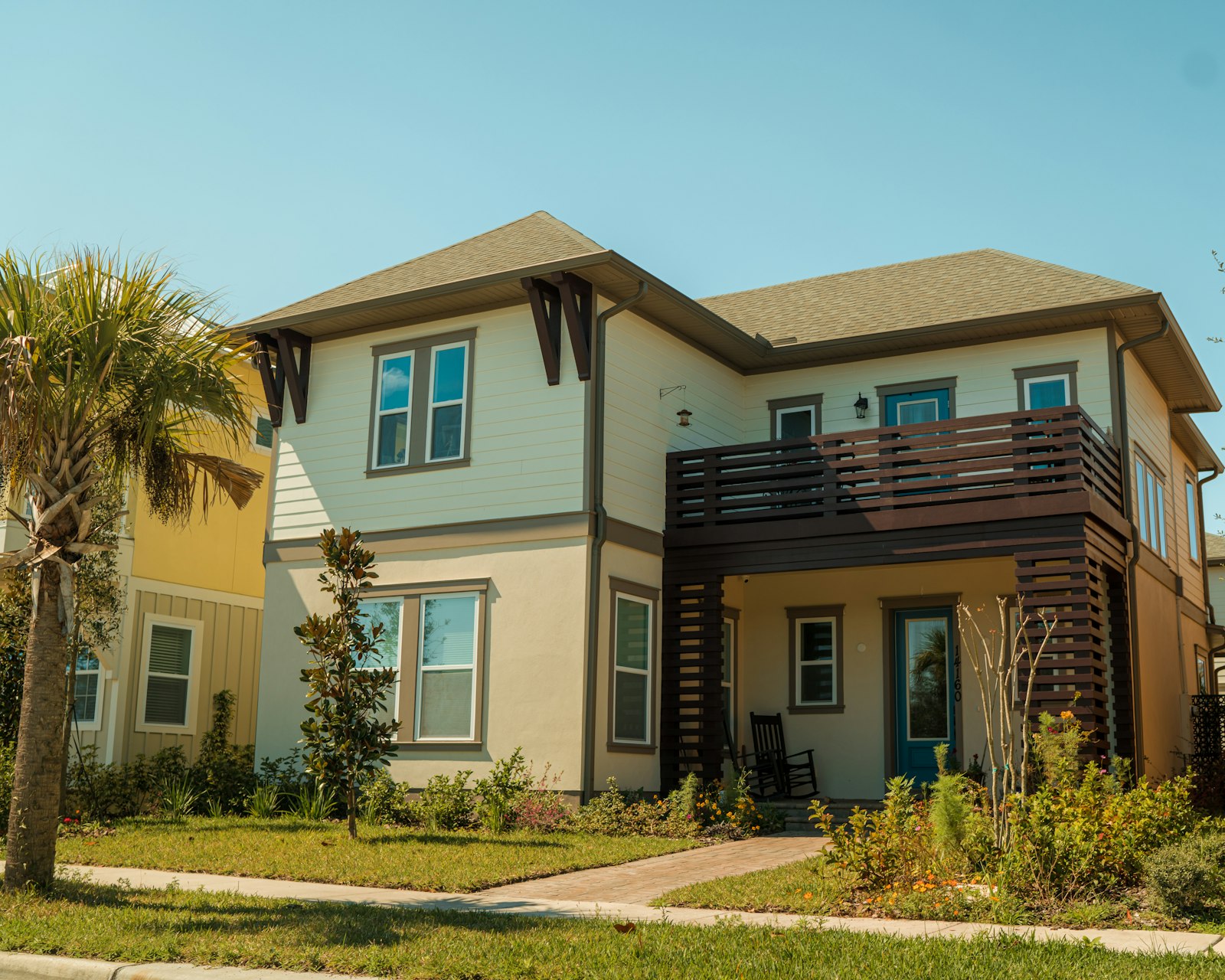
Two-Story Cape Coral Homes: Why the Upstairs Is Always Hotter and the Zoning Fix That Actually Works
If you own a two-story home in Cape Coral, you already know the drill: the downstairs is comfortable, and the upstairs bedrooms feel like a sauna by 4 p.m. You crank the thermostat down to 68, the unit runs nonstop, and the electric bill climbs — but the second floor never quite catches up. That's not bad luck, and it's not a broken air conditioner. It's physics, and it's fixable.
Why Heat Always Wins Upstairs
Hot air rises. In a single-story house, that's a minor annoyance. In a two-story Cape Coral home, it means every bit of heat generated on the first floor — cooking, sunlight through windows, bodies, electronics — drifts up and pools against the roof. Add in the fact that your attic in Southwest Florida can hit 140-150 degrees on a summer afternoon, radiating heat straight down through the ceiling, and the upstairs is fighting a battle the downstairs never has to.
Most builder-installed systems use one thermostat and one set of ductwork sized for the whole house, not for the fact that upstairs and downstairs have completely different heat loads. That's the real root of the problem, and no amount of turning the thermostat down will solve it — it'll just mean the downstairs freezes while the upstairs stays warm.
The Duct and Insulation Problems Hiding in Your Attic
Before we talk about zoning, we check the basics, because a zoning system built on top of leaky ducts or thin attic insulation is a band-aid on a bigger issue. In Cape Coral attics, we commonly find:
- Flex ducts to upstairs rooms that are undersized, kinked, or run through the hottest part of the attic with no extra insulation wrap
- Return air starved on the second floor, so the system can't pull enough air back to properly circulate cool air in
- Attic insulation that's settled or was never brought up to Florida code in older homes
- Supply registers upstairs that were never balanced against the downstairs runs when the house was built
Fixing these first — sealing and insulating ducts, adding a return where one's missing, topping off attic insulation — often closes a big chunk of the upstairs-downstairs gap on its own, before you spend a dime on new equipment.
The Zoning Fix That Actually Works
Once the ductwork and insulation are solid, a properly designed zoning system is what finally lets your AC treat the upstairs and downstairs as the two different jobs they actually are. A real zoning setup uses:
- Separate thermostats for upstairs and downstairs, so each level cools to its own setpoint
- Motorized dampers in the ductwork that open and close to send more (or less) airflow to whichever zone needs it
- A control panel that talks to your existing system, ramping capacity up when both zones call at once and dialing back when only one does
Done right, this means the upstairs bedrooms finally cool down at bedtime without the downstairs turning into a meat locker to get there. Done wrong — dampers installed without a load calculation, or added to ductwork that was already too small — zoning can starve airflow and make both floors worse. That's why we run a room-by-room load calculation before recommending it, not just a one-size-fits-all damper kit.
What We Check Before We Recommend Anything
When a Cape Coral homeowner calls us about a hot upstairs, our first visit isn't a sales pitch for a zoning system — it's a diagnosis. We check attic temperatures, measure airflow at each upstairs register, inspect duct insulation and sealing, and look at whether your existing system even has the capacity to handle a second zone. Sometimes the fix is a $200 duct repair. Sometimes it's a full zoning retrofit. We tell you which one it actually is, and why, before you spend anything.
Get an Honest Answer for Your Home
Every two-story home in Cape Coral is a little different — sun exposure, attic setup, ductwork age, all of it changes the answer. If your upstairs has felt like a different climate zone than downstairs, our team can walk your attic, check your ducts, and tell you exactly what's driving the gap and what it takes to fix it — backed by our guarantee, no upsell required. Contact us for an inspection or call (239) 402-3911 and we'll get you scheduled.

