
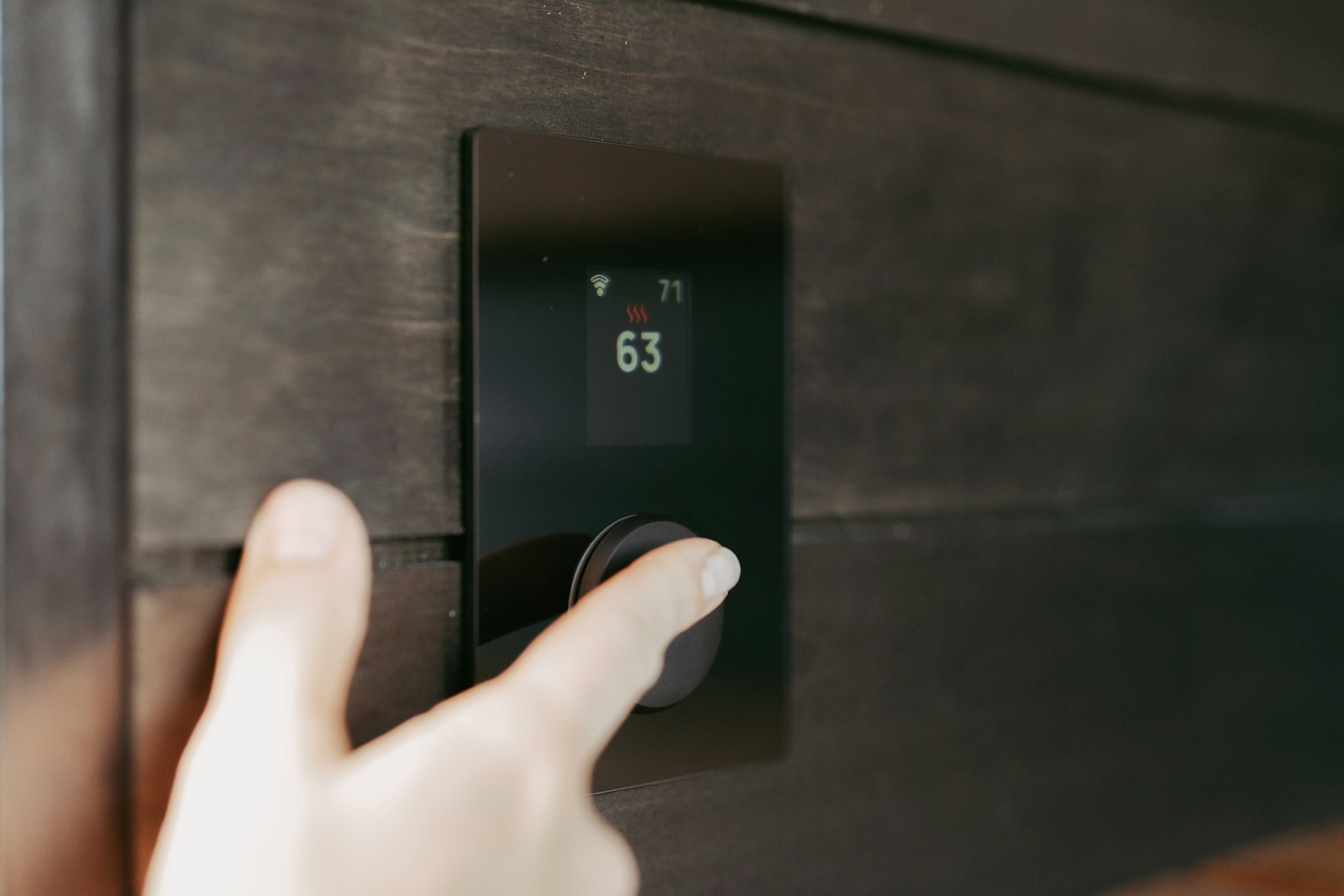
Thermostat Wars: Why Setting Your AC Colder Doesn't Cool a Cape Coral Home Faster (and What Actually Cuts the Wait)
It's a hot afternoon in Cape Coral, the house feels slow to cool, and the instinct is obvious: crank the thermostat down to 68 instead of 72. It feels like giving the AC more to work with. It isn't. Your AC has exactly one cooling speed — it doesn't blow colder air just because you asked for a lower number, and setting it lower doesn't get you to comfortable any faster. Here's what actually determines how fast your home cools, and what to do instead of fighting the thermostat.
Your AC only has one gear
A standard single-stage system runs at full capacity the moment it kicks on — there's no "extra cold" setting hiding behind a lower number. Whether you set the thermostat to 74 or 65, the unit pushes the same volume of the same-temperature air at the same rate. Setting it to 65 when you actually want 74 just means it keeps running past the point you wanted, using more electricity to reach a temperature you'll probably bump back up anyway once the house feels cold. The thermostat is a target, not a throttle.
What actually slows down a Cape Coral home's cool-down
If a room takes forever to feel comfortable, the delay is almost never the number on the wall. It's usually one of a handful of things: a dirty air filter choking airflow, a return vent blocked by furniture, direct afternoon sun loading heat into a west-facing room faster than the system can remove it, or a system that's been sized (or has aged) into working harder than it should for the square footage. None of those get fixed by a lower setpoint — they get fixed by clearing the airflow path, managing the sun load with blinds during peak heat, or having someone check whether the system itself is still matched to the house.
The fan setting matters more than the number
One adjustment actually does change how a room feels without touching the setpoint at all: switching the fan from "Auto" to "On" during the hottest part of the day keeps air circulating between cooling cycles instead of sitting still. A room that feels stuffy between cycles often just needs the air moving, not colder. It's a smaller, faster win than any thermostat setting, and it doesn't run your system any harder than it already does.
Why overcorrecting costs you twice
Dropping the setpoint low "to be safe" does two things, and neither helps. First, it runs the system longer than needed once the house actually reaches a comfortable temperature, which shows up directly on the electric bill. Second, it trains a habit of chasing the thermostat instead of trusting it — set it once at a temperature you're comfortable with and leave it, and a properly running system will hold that line without babysitting. If it can't hold that line consistently, that's a real signal, just not one a lower setpoint will fix.
When the slow cool-down is the system, not the setting
If a home is consistently slow to cool no matter what the thermostat says — especially compared to how it used to perform — that's usually airflow, refrigerant charge, or a system that's no longer sized right for the house, not user error. That's worth a real look rather than a lower number every afternoon. If your Cape Coral or Fort Myers home never quite catches up no matter where you set it, contact us for an inspection — we'll find out what's actually slowing it down instead of asking you to keep guessing at a number.

