
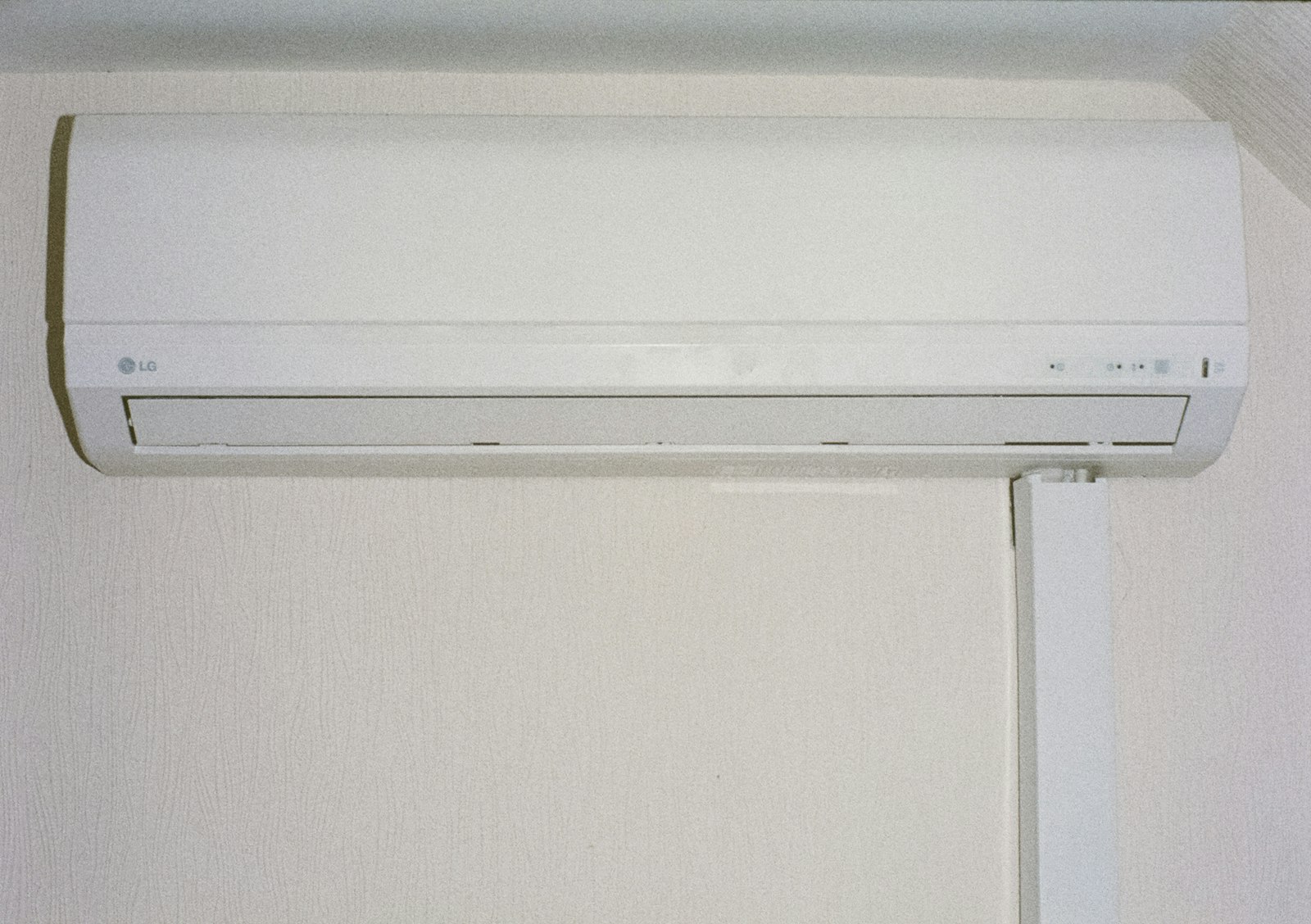
The Float Switch That Shuts Your AC Off Every Rainy-Season Afternoon: Why It's Doing Its Job (and the Real Fix Isn't Resetting It)
It happens almost every afternoon in July and August: the sky opens up for a quick Southwest Florida downpour, the humidity spikes, and twenty minutes later your air conditioner just... stops. No error code on the thermostat. No obvious reason. You check the breaker, flip it, the system comes back on, and it works fine until tomorrow's rain hits and the whole thing repeats.
If this sounds familiar, you're not dealing with a broken air conditioner. You're dealing with a safety switch that's working exactly the way it's supposed to. The question isn't how to override it — it's why it keeps tripping in the first place.
What's Actually Shutting Your System Off
Every central AC system in Cape Coral has a condensate drain line that carries the water your system pulls out of the air — and during rainy season, with the humidity we get here, that's a lot of water — away from the air handler and out of your house. Sitting right on that drain pan, or built into the line itself, is a small float switch. Its only job is to sense when water is backing up instead of draining out, and when it does, it cuts power to the system before that water overflows into your ceiling or your garage.
So when the float switch trips, it's not malfunctioning. It's telling you something downstream isn't draining the way it should, and it's protecting your home from a far more expensive problem than a few hours without cool air.
Why It Picks Rainy-Season Afternoons
This is the part most homeowners miss. The float switch doesn't care about the weather — it cares about water level in the pan. But rainy season changes the conditions in three ways that make a marginal drain line finally fail:
- More condensate, faster. Higher humidity means your system is pulling more moisture out of the air than it does in the drier months, so any partial clog in the line gets tested harder, more often.
- Algae and buildup already narrowing the line. A drain line that's been slowly growing algae and sludge for months might still drain *slowly enough* to keep up in May. By August, with the extra volume, it can't anymore.
- Afternoon humidity spikes line up with runtime. Your system is working hardest right when the afternoon storm rolls through and the sun comes back out — which is exactly when the drain line is also carrying the most water.
Put those together and you get a system that ran fine all spring and suddenly "breaks" every afternoon in the heart of summer. It's not a new problem. It's an old one finally showing up.
Why Just Resetting It Doesn't Fix Anything
Flipping the breaker or resetting the switch clears the symptom for exactly as long as it takes the pan to fill back up. If the underlying clog, sag, or algae growth is still in the line, you're on a countdown to the next shutoff — and every one of those cycles is more standing water sitting in a drain pan that's often directly above a ceiling, a closet, or a garage full of your belongings. We've been called out plenty of times after a homeowner's "quick reset" bought them a few more weeks, right up until the pan actually overflowed.
The real fix depends on what's actually stopping the water:
- Clearing the line. A wet/dry vacuum pulled from the outside termination point, or a proper flush at the air handler, clears algae and sludge that a simple reset never touches.
- Checking the slope. PVC drain lines need consistent pitch to drain by gravity. A line that's sagged — often from age or a loose strap — can hold water even when it's clean.
- Confirming the secondary pan and switch are both doing their job. Some homes have a primary and secondary float switch. If only one is wired in, or the secondary pan has its own drain issue, you can get nuisance trips even after the main line is clear.
- Treating the line going forward. A simple algae tablet or periodic flush as part of routine maintenance keeps the line from narrowing back down before next rainy season.
None of this requires replacing your system. It's almost always a 20-to-45-minute fix once a technician actually traces the line instead of just resetting the switch and moving on.
What We'd Tell a Neighbor
If your AC has tripped off more than once this rainy season, don't wait for the pan to actually overflow before you call someone. A quick drain line service now is a lot cheaper than a ceiling repair later — and it's the kind of thing we check as a matter of course on every tune-up, because in Cape Coral, a clean drain line isn't optional, it's seasonal maintenance.
Seven Level Air is veteran-owned and local to Cape Coral and Fort Myers, and we guarantee the work — if a drain line issue comes back from something we serviced, we come back and make it right at no charge. If your system has been shutting off on you every afternoon, schedule a service visit or call our team for a free estimate. If it's already after hours and water's backing up right now, our emergency line is staffed around the clock — don't wait until morning to stop water from reaching your ceiling.

