
The Buzzing, Clicking, or Grinding AC: A Cape Coral Homeowner's Guide to What Each Noise Actually Means (and Which Ones Mean Call Today)
Your AC isn't supposed to make noise you notice. A healthy system runs in the background — a low hum, maybe a soft click when the compressor kicks on, nothing that pulls your attention away from the TV. So when a new sound shows up, it's your system telling you something changed. The trick is knowing which sounds mean "keep an eye on it" and which ones mean "pick up the phone before you go to bed."
Here's what each sound usually means, in plain English — no technician jargon, just what's actually happening inside your unit.
Buzzing: Almost Always Electrical
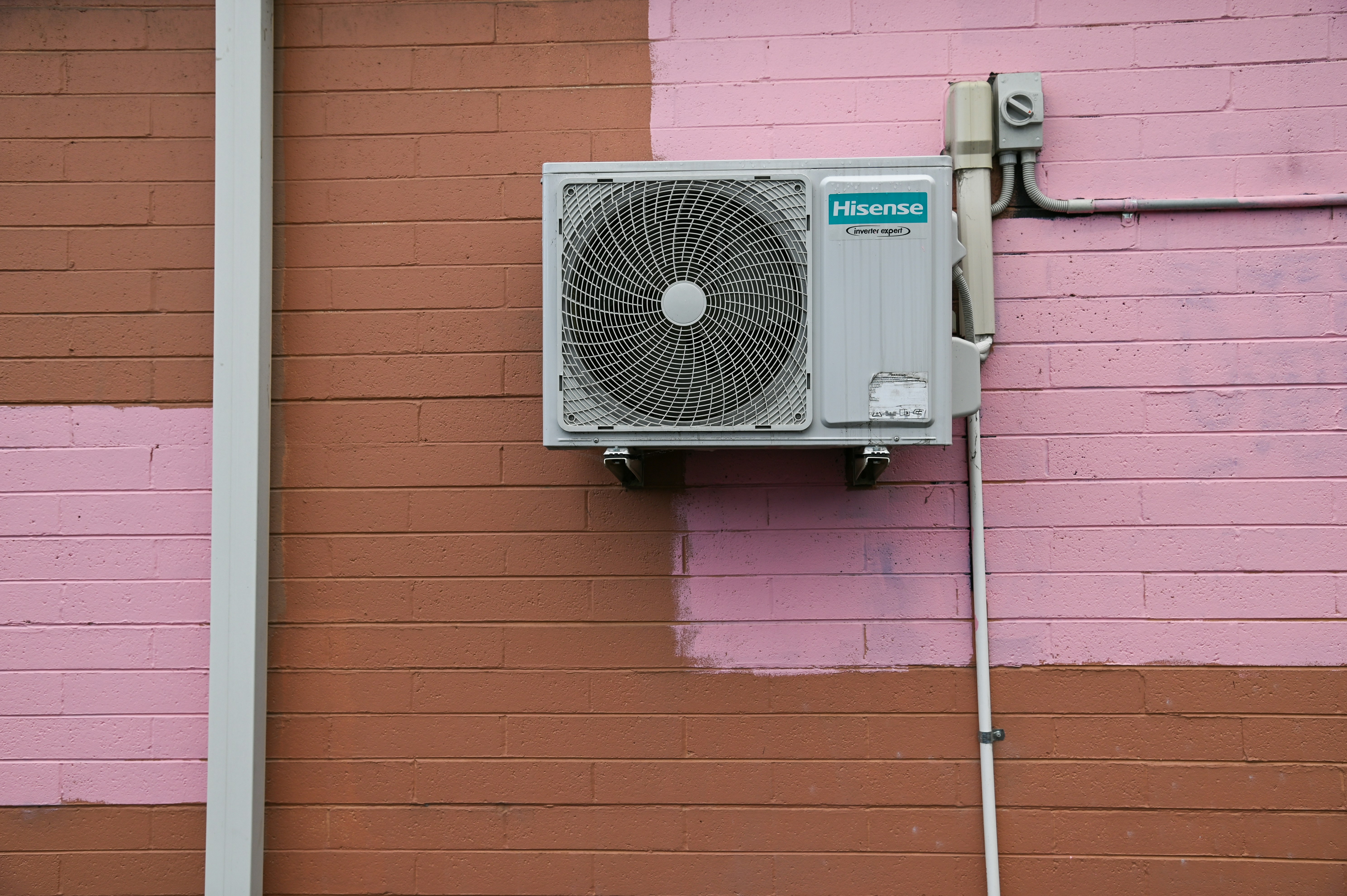
A steady buzz, especially coming from the outdoor condenser, is usually an electrical issue — a loose wire connection, a failing contactor (the relay that switches the compressor and fan on), or a capacitor that's starting to go. None of these fix themselves, and a capacitor that fails completely can take your compressor down with it if the system keeps trying to start without enough power to do it cleanly.
What to do: Turn the system off at the thermostat and call us. This isn't a wait-and-see noise.
Clicking: Depends on When You Hear It
A single click when your AC starts up or shuts off is normal — that's a relay doing its job. But repeated, rapid clicking, especially if the unit tries to start and then stops over and over, is usually a failed start capacitor or a safety switch tripping because something else is wrong (low refrigerant, a dirty coil, a motor struggling to turn).
What to do: One click, no problem. Repeated clicking without the system actually running — that's a same-week call, not a someday call.
Grinding or Screeching: Your Motor Is Asking for Help
This is the one that worries Cape Coral homeowners the most, and it should. A grinding or high-pitched screeching sound almost always means a motor bearing is wearing out — either in the outdoor fan motor or the indoor blower. Motors don't grind for weeks and then quietly get better. They grind until they seize.
What to do: Call today. If a motor locks up while it's running, you're usually looking at a full motor replacement instead of a routine repair — and a dead fan motor in July means your system can't reject heat, which can damage the compressor too.
Hissing: Refrigerant or Air Pressure
A hissing or faint whistling sound can mean a refrigerant leak at a connection point, or it can be air escaping around a restriction in the ductwork. Either way, it's reducing how efficiently your system cools your home, and it's worth diagnosing rather than guessing.
What to do: Not usually a middle-of-the-night emergency, but don't let it run for weeks. A slow leak gets worse, not better.
Rattling: Often Simple, Sometimes Not
Rattling is the most common "it's probably nothing" noise — loose panel screws, debris in the outdoor unit, or a fan blade that's slightly out of balance. But rattling can also mean a mounting bracket has corroded loose (common here with the salt air) or a part has come partially detached inside the cabinet.
What to do: Check for obvious debris around the outdoor unit first. If it keeps rattling after a quick look, get it checked at your next maintenance visit — or sooner if it gets louder.
The Simple Rule We Give Every Customer
If the noise is new, loud, or getting worse by the day — call. If it's faint, occasional, and not changing — mention it at your next maintenance visit. When you're not sure which category it falls into, that's exactly what we're here for. We'd rather take a five-minute call and tell you it's nothing than have you wait three weeks on a grinding motor and end up without AC on a 95-degree Cape Coral afternoon.
As a veteran-owned company, we built our business on showing up, explaining what we find in plain language, and standing behind the work with a real guarantee — not upselling you on a new system because your AC made a noise.
Hearing something you can't explain? Contact Seven Level Air for an inspection, or call us directly at (239) 402-3911.

