
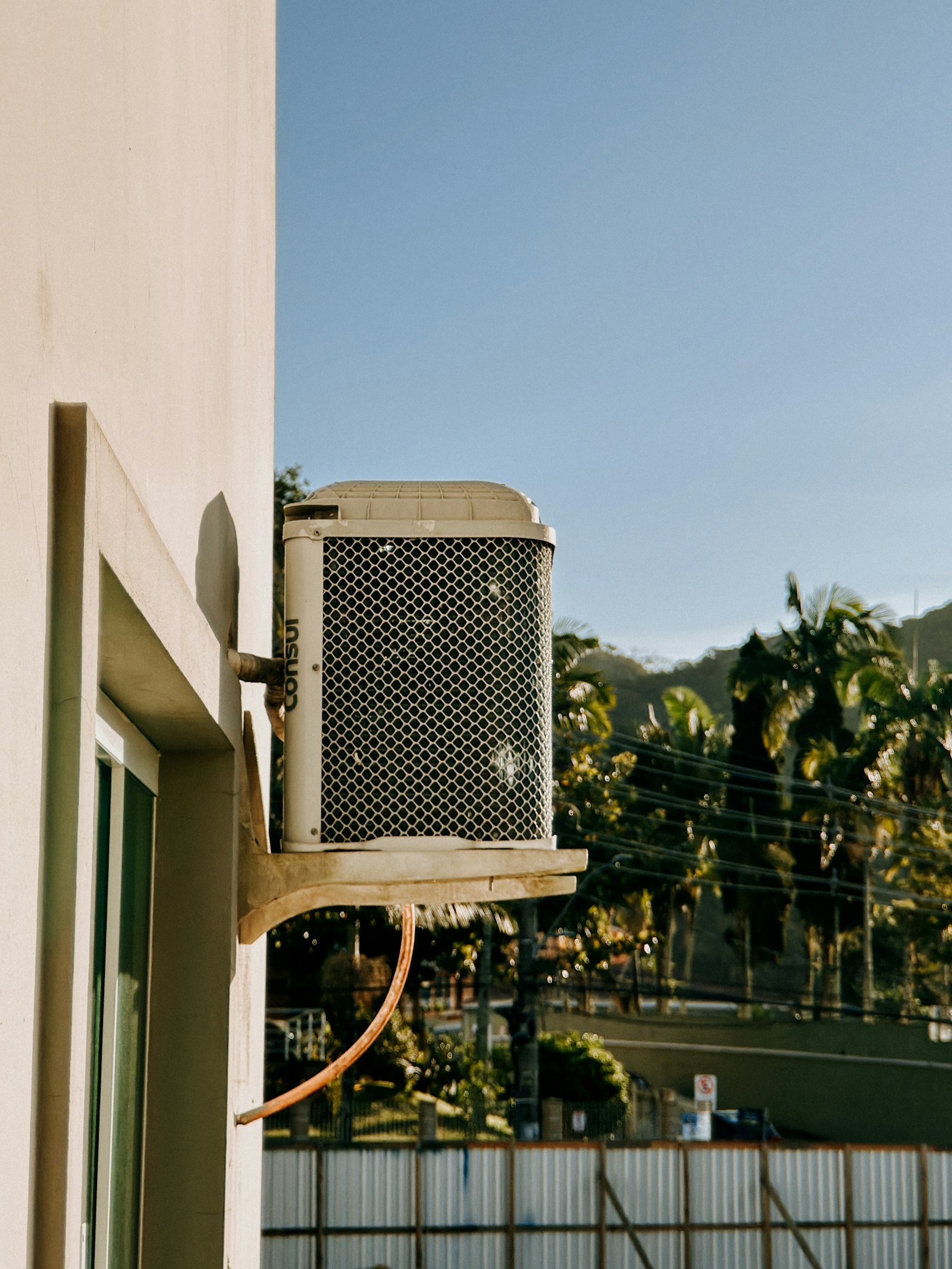
The 4-Point Insurance Inspection Every Older Cape Coral Home Faces: Why Your AC's Age Could Spike Your Premium or Get Your Policy Dropped
If you own a home in Cape Coral that's more than a few decades old, you've probably heard the term "4-point inspection" from your insurance agent — usually right before a renewal notice with a much bigger number on it. These inspections look at four systems: roof, electrical, plumbing, and HVAC. And for a lot of homeowners we talk to, the AC line item is the one that catches them off guard. Nobody expects a piece of equipment in the side yard to affect whether their homeowner's policy gets renewed, but in Florida, it happens every single day.
We've had customers call us in a panic after an inspector flagged their system, worried they need a full replacement overnight. Usually that's not the case. But you do need to understand what the inspection is actually looking for, and what your options are before your renewal date shows up. Here's the straight talk version, no jargon.
What a 4-Point Inspection Actually Checks on Your AC
Insurance companies aren't sending someone out to grade your comfort level. They're assessing risk — specifically, how likely your system is to fail and cause a claim. For the HVAC portion, that usually means:
- The age of the system, pulled from the data plate on the outdoor unit
- Visible condition — rust, corrosion, exposed wiring, missing panels
- Whether it's functional and holding temperature at the time of inspection
- Any obvious safety issues, like improper electrical connections or refrigerant leaks
Here's the part that surprises people: age alone can be enough to trigger a flag, even if the unit is running fine. Most insurers in Florida start paying closer attention once a system passes 10-15 years old, and some carriers will outright decline coverage or require replacement on units older than that, regardless of condition.
Why Older Cape Coral Homes Get Hit Hardest
A lot of the housing stock in this area was built in waves — the 1970s and '80s boom, then another surge in the early 2000s. If your home falls into one of those windows and still has its original or first-replacement system, you're squarely in the range insurers worry about. Add in what our coastal air does to outdoor units — salt exposure alone can age a condenser several years faster than the same unit would age inland — and a system that looks fine from the driveway can still read as "high risk" on paper.
We see this constantly on service calls: a homeowner has no idea their AC is old enough to be a policy problem until the inspection report lands in their inbox. By then, they're often working against a renewal deadline, which limits their options and can push them toward a rushed decision instead of the right one.
What Happens If Your AC Gets Flagged
A flagged system on a 4-point inspection typically leads to one of three outcomes: your premium goes up, your insurer requires proof of repair or replacement within a set window, or in some cases, they decline to renew the policy altogether. None of those are pleasant, but none of them are emergencies either — if you know about them early enough.
The key word is early. If you get a letter giving you 30 or 60 days to address an aging system, that's workable. If you find out the week before your policy lapses, your choices narrow fast. This is exactly why we recommend getting ahead of it rather than waiting for the insurance company to tell you there's a problem.
How to Get Ahead of It Before Your Renewal
You don't need to wait for a 4-point inspection to find out where you stand. A few things we recommend for any Cape Coral homeowner with a system over 10 years old:
- Know your system's actual age. Check the data plate on the outdoor unit for the manufacture date — not the install date, which can be different.
- Get a real inspection, not a guess. We can walk your system the same way an insurance inspector would, and tell you honestly whether you're looking at a repair, a few years of runway, or a replacement conversation.
- Ask about documentation. If your system is in good shape despite its age, a written inspection report from a licensed contractor can sometimes be enough to satisfy an insurer or at least buy you time.
- Plan the budget before you're forced to. Replacing a system on your own timeline, with financing options and a system sized right for your home, beats replacing it in a rush because a policy is about to lapse.
None of this means every older AC is a ticking time bomb for your homeowner's policy. Plenty of well-maintained systems pass 4-point inspections without issue. But "well-maintained" is doing a lot of work in that sentence, and the only way to know which category your system falls into is to actually have it looked at by someone who does this for a living.
We'll Give You a Straight Answer — No Pressure, No Guessing
As a veteran-owned company, we built our reputation on telling Cape Coral and Fort Myers homeowners the truth about their systems, even when the truth is "you're fine for now." If you're staring down a 4-point inspection, worried about a renewal letter, or just haven't had your AC's age and condition checked in a while, let's get ahead of it together. Every inspection and estimate comes backed by our guarantee, so you know exactly what you're getting before you agree to anything.
Contact us today for an inspection, repair, or maintenance visit: https://www.sevenlevelair.com/contact

