
The $3,000 Ceiling Stain: Why a Clogged AC Drain Line Floods Your Cape Coral Home Before the Unit Ever Stops Cooling
Here's the part most Cape Coral homeowners don't expect: an AC can flood your ceiling, soak your drywall, and run up a $3,000 repair bill without the unit ever losing its cool. The system can be blowing cold air perfectly on the day you find the stain. The drain line doesn't care how well the compressor is running — it just needs to clog, and gravity does the rest.
Where the Water Actually Comes From
Every central AC pulls moisture out of your indoor air as it cools — that's why a humid Cape Coral afternoon feels so much better once the system's been running a while. That water collects in a drain pan under the indoor coil and leaves through a condensate line, usually a plain PVC pipe running to a drain outside or into your plumbing. On a hot, humid August day, a Florida AC can pull several gallons of water out of the air. All of it has to go somewhere.
When the line is clear, you never think about it. When it's not, the pan fills, backs up, and overflows — and if your air handler sits in an attic or a closet above living space, that overflow finds the ceiling below it before anyone notices a thing.
Why the Line Clogs in the First Place
The same humidity that makes Cape Coral AC units work hard also makes the drain line a perfect environment for algae and mold to grow inside the pipe. Add in dust, insulation fibers, and the occasional bit of debris, and you get a slow buildup that narrows the line until it's fully blocked. It's not a defect — it's biology, and it happens to nearly every system eventually if the line isn't flushed.
The warning signs are easy to miss if you're not looking for them: a musty smell near a vent, water pooling near the indoor unit, or a system that shuts itself off mid-cycle. That last one isn't random — most modern units have a float switch wired specifically to kill the compressor the moment the drain pan gets too full, which is exactly why "my AC just stopped working" and "my drain line is clogged" are often the same call.
The Float Switch Is a Backstop, Not a Fix
A working float switch is the reason most clogged lines end as a no-cool service call instead of a ceiling stain — it trips before the pan truly overflows. But it's a safety net, not a solution, and it only works if it's actually installed and wired correctly. Homes without one, or with one that's been bypassed or wired wrong, lose that warning entirely. The water just keeps rising until it finds the path of least resistance, which in a lot of Cape Coral homes means straight through the ceiling drywall into the room below.
What a Flushed Line Actually Prevents
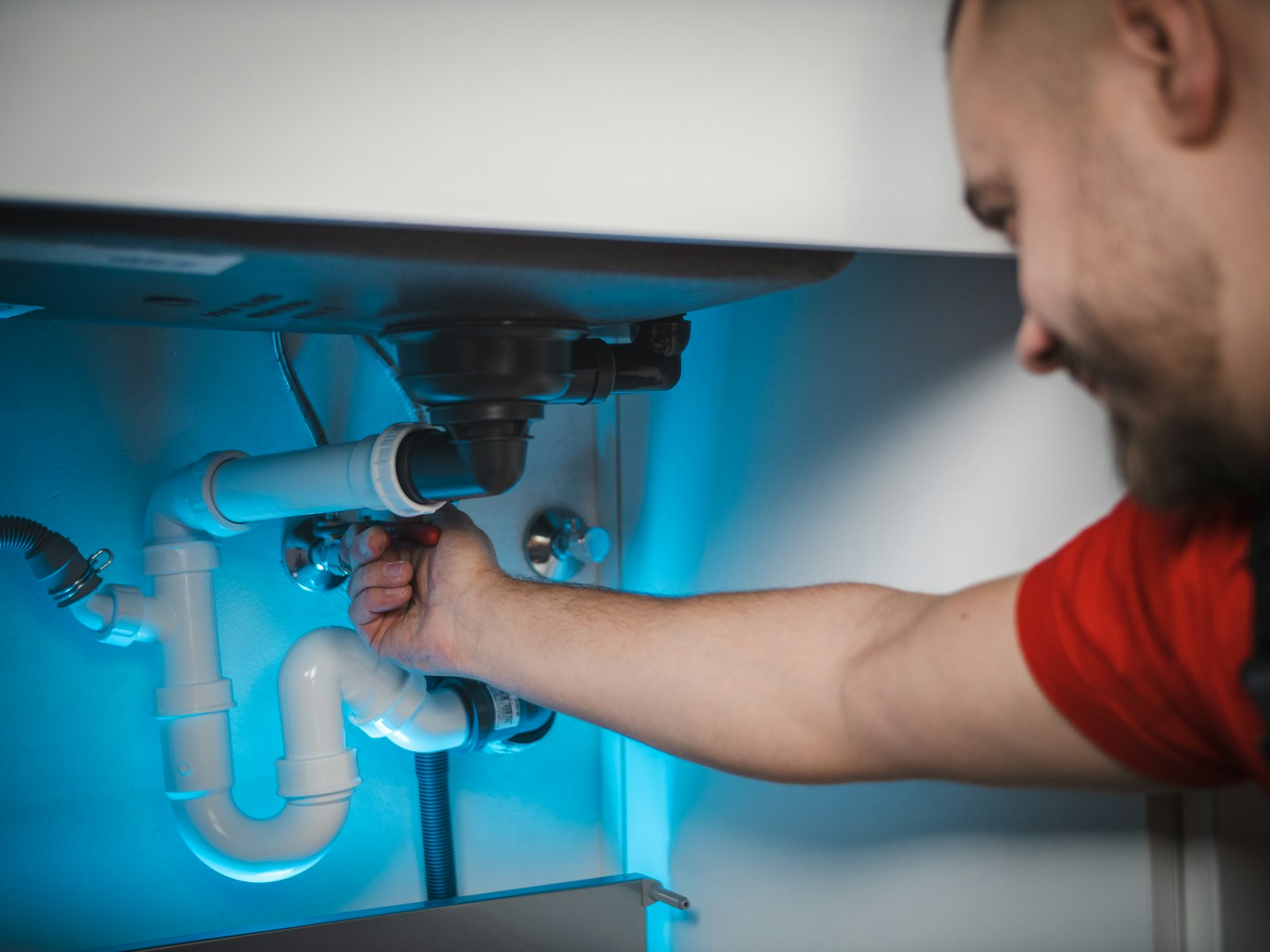
Clearing a condensate line is one of the fastest, cheapest things we do on a maintenance visit — flush it with a wet/dry vac or compressed air, confirm it's draining freely, and check that the float switch is wired and seated correctly. Compare that five-minute job to what a slow ceiling leak actually costs once it's found: drywall replacement, repainting, sometimes insulation and subfloor work if it's gone unnoticed for a while, on top of the AC repair itself. The "$3,000 ceiling stain" in the title isn't an exaggeration — it's a real number homeowners have told us after putting off a maintenance visit for too long.
Catching It Before It's a Problem
If your system is more than a year or two past its last maintenance visit, or you've never had the drain line specifically checked, that's the single easiest failure point to rule out before it becomes a water-damage claim instead of a service call. It's a standard part of what we check on every maintenance visit, and it's worth asking about directly if you're booking a repair for something else and haven't had one done recently.
If you're hearing a system cycling oddly, smelling something musty near a vent, or just haven't had a maintenance check in a while, contact Seven Level Air for an inspection before a slow drip becomes a ceiling repair.

