
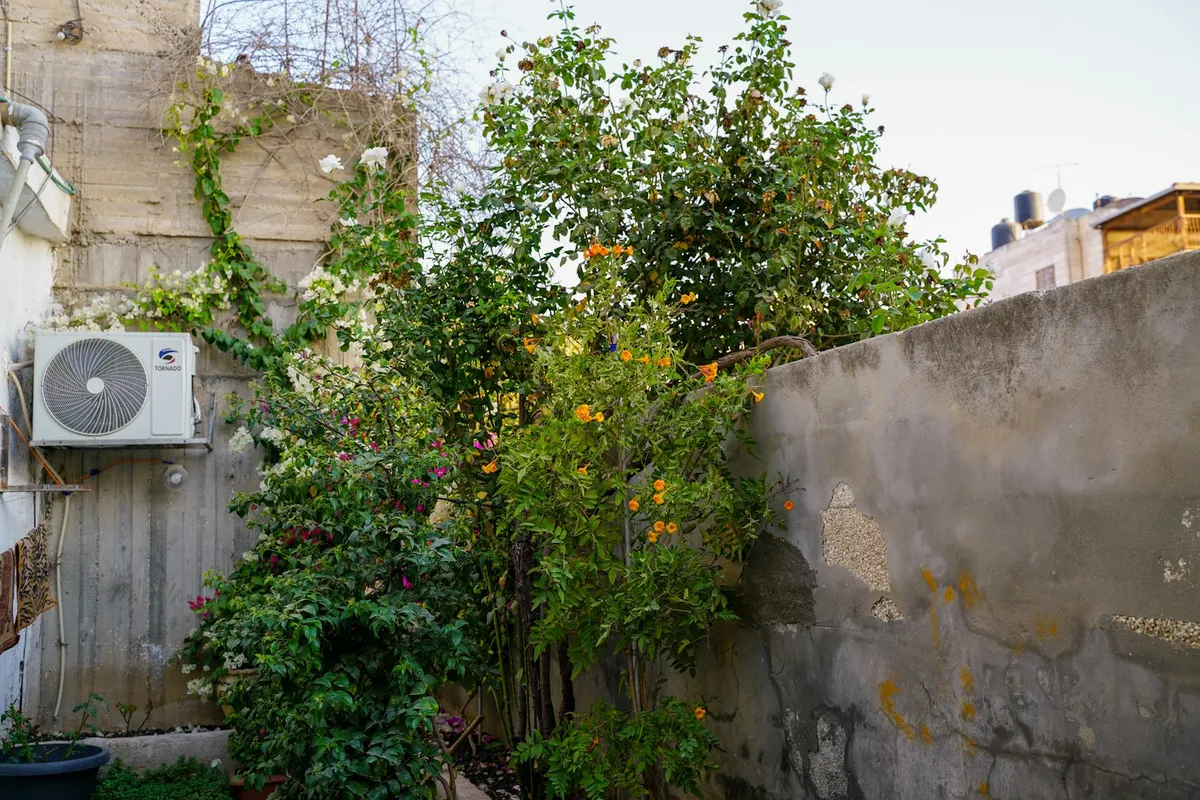
The 24-Inch Rule: Why Landscaping, Pool Cages, and Lanai Screens Too Close to Your Condenser Are Quietly Shortening Its Life in Cape Coral
If you've ever stood in your backyard looking at your AC condenser half-buried in a hibiscus hedge, you've probably thought the same thing most Cape Coral homeowners think: it's just sitting there, it's not hurting anything. We hear a version of that on almost every service call where landscaping has grown in around the unit. The truth is, that hedge — or the pool cage support post, or the lanai screen frame, or the privacy fence panel someone added last year — is one of the quietest, most common reasons we get called out for a system that's "just not cooling like it used to."
Why 24 Inches Isn't a Suggestion
Every outdoor condenser is built around one job: pulling air across a coil, extracting heat from the refrigerant, and pushing that heat back out into the yard. That only works if air can actually move freely on all sides and straight up through the top. Manufacturers — Carrier, Trane, Rheem, Goodman, all of them — publish a minimum clearance spec for a reason, and in nearly every case it lands around 24 inches on the sides with intake, and considerably more overhead for discharge. That number isn't arbitrary. It's the distance their engineers determined the coil needs to breathe without starving.
In Cape Coral, where things grow fast and grow dense almost year-round, that 24 inches disappears quicker than most homeowners realize. A hibiscus or ixora hedge planted as a 12-inch sprig in spring can be brushing the cabinet by the following summer. Pool cage framing and lanai screen posts get installed without anyone thinking about the AC unit ten feet away. Privacy fencing goes up flush against a side yard because that's where the property line runs. None of it is done carelessly — it's just done without the condenser in mind.
What Actually Happens When the Clearance Closes In
The unit doesn't just stop working one day. It degrades, slowly, in a pattern we see constantly:
- Head pressure climbs. When the fan can't exhaust hot air fast enough, that heat recirculates back through the coil instead of escaping. The compressor has to work against higher pressure to keep moving refrigerant, which is the single fastest way to shorten a compressor's life in Southwest Florida's climate.
- Run times stretch out. A condenser starved for airflow takes longer to reject the same amount of heat, so your system runs longer to hit the same setpoint. Longer runtimes on a hot Cape Coral afternoon translate directly into a higher electric bill — often before anyone notices the house feels less comfortable.
- Leaves and debris pack the coil. Dense landscaping doesn't just block airflow — it drops leaf litter, seed pods, and pollen directly onto the fins, where humidity turns it into a mat that's even harder for air to pass through. We've pulled units out of hedges where the coil was genuinely green with growth.
- Moisture gets trapped against the cabinet. Plants hold humidity close to the ground. A condenser wrapped in foliage stays damp longer after rain or irrigation, which accelerates corrosion on the cabinet and the coil fins — a slower death, but a real one.
- Screws and screens trap radiant heat. A lanai screen or pool cage panel installed close on one side can act like a heat-reflecting wall, especially on the west or south side of the house, raising the ambient air temperature the unit has to pull from.
Any one of these alone is a minor efficiency loss. Stacked together — which is what usually happens once a hedge has had a year or two to fill in — you're looking at a system that's working noticeably harder to deliver noticeably less, and a compressor that's aging faster than its warranty paperwork assumes.
The Pool Cage and Lanai Screen Problem Specifically
Landscaping gets most of the attention because it's visible and it grows, but screened enclosures cause a quieter version of the same issue. A condenser installed inside or directly against a pool cage frame, or tucked into a corner formed by a lanai's screen wall, often has technically "enough" lateral space but poor actual air exchange — the screen material and the enclosure geometry trap and recirculate hot discharge air in a pocket instead of letting it disperse. We see this most on homes where the cage was built around an existing unit rather than the unit being placed with the cage in mind, or where a screen room addition came after the AC was already installed. It's rarely anyone's mistake — it's just two separate decisions, made at two separate times, that didn't account for each other.
What We Check and What We Tell Homeowners
When we're out for a maintenance visit or a service call and we see the clearance has closed in, we don't just note it and move on — we show you, point out which side is worst, and give you options that fit the situation instead of a blanket "cut it all back." Sometimes it's a simple trim-back that takes ten minutes and solves it. Sometimes the hedge was planted too close from the start and a homeowner decides to relocate a few plants rather than keep fighting the same growth every season. On pool cage and lanai situations, sometimes the fix is as simple as adding a louvered or vented panel section near the unit so the trapped air has somewhere to go.
What we won't do is tell you to rip out landscaping you love over a problem that a seasonal trim would fix, or scare you into an "emergency" visit for something that's really a 20-minute maintenance item. That's not how a veteran-owned company earns repeat business in a town where everybody knows everybody's HVAC guy.
A Simple Check You Can Do This Weekend
Walk out to your condenser and measure. Twenty-four inches is about the length of a standard push broom head to handle, or roughly from your fingertips to your elbow for most adults. Check all four sides and look straight up — the top needs to be just as clear as the sides, since that's where the heat actually exits. If a hedge, a cage post, a fence panel, or even a stack of pool equipment is inside that line, it's worth addressing before next summer's peak load season, not during it.
If you're not sure whether what you're looking at is a real problem or a cosmetic one, that's exactly what a tune-up visit is for. We'll measure it, show you the coil condition, and tell you honestly whether it's costing you anything yet — backed by the same guarantee we stand behind on every visit: if we tell you something needs attention, we'll show you why, in plain language, before you spend a dime.

