
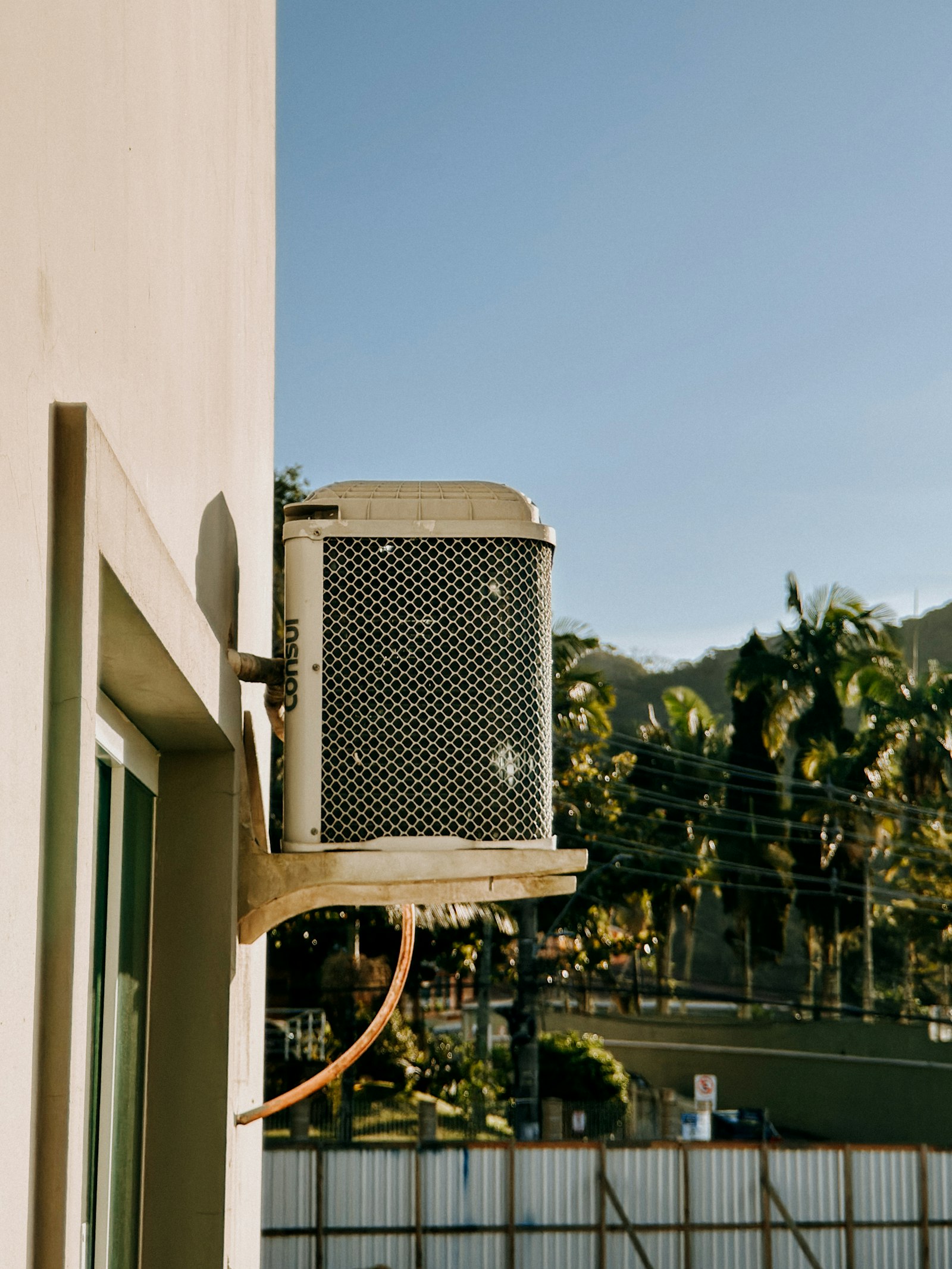
The $20 Part That Fakes a Dead AC: Why a Blown Capacitor Sends Cape Coral Homeowners Shopping for a System They Don't Need
Your AC quits on a Saturday afternoon. No cold air, maybe a faint hum from the outdoor unit, maybe nothing at all. The first thought for a lot of Cape Coral homeowners is the worst one: "that's it, the whole system's dead, time to start pricing a new one." Most of the time, that's not what's actually happening. One of the most common reasons an AC goes completely silent is a part about the size of a soda can that costs us around $20 in parts — the capacitor.
What a Capacitor Actually Does
Think of the capacitor as the jumper cable for your AC's motors. Your outdoor condenser fan and compressor both need a strong jolt of electricity to start spinning — more than your home's regular current can deliver on its own. The capacitor stores up that extra charge and releases it in one burst to get the motor moving, then helps keep it running smoothly. No capacitor, no start-up jolt, no spinning motor — and from inside the house, that looks exactly like a dead system.
Why Florida Heat Wears Them Out Early
Capacitors are rated for a certain amount of heat exposure, and Cape Coral gives them more of it than almost anywhere else in the country. An outdoor unit baking in direct sun for a 95-degree summer, running nearly nonstop from May through October, puts far more cycles and far more thermal stress on that capacitor than the same unit would see in a milder climate. Age matters too — most capacitors are good for somewhere around 5 to 10 years, and a lot of Southwest Florida units are pushing that timeline hard before anyone thinks to check.
The Tell-Tale Signs Before It Fully Dies
A capacitor rarely fails without warning if you know what to watch for. The classic signs: the outdoor unit humming but the fan isn't turning, the AC taking longer than usual to kick on after the thermostat calls for cooling, the system shutting off and restarting on its own, or a noticeable dip in cooling performance on the hottest days. Any one of those is worth a call before the capacitor fails completely — catching it early is a simple swap, not an emergency diagnosis.
Why "No Cold Air" Doesn't Mean "New System"
This is the part that costs homeowners real money: a completely dead-feeling AC gets treated like a death sentence for the whole unit, when a $20-$30 part is often the entire problem. A proper diagnostic takes a technician minutes — check the capacitor's microfarad rating against its printed spec, and if it's drifted outside tolerance, it gets replaced on the spot. Jumping straight to "I need a new $7,000 system" without that five-minute check means either overpaying for a repair that didn't need to happen, or worse, replacing a perfectly good system because nobody looked at the twenty-dollar part first.
What to Do the Next Time Your AC Goes Quiet
If your outdoor unit stops running or you hear a hum with no fan movement, resist the urge to assume the worst. Cut the power at the breaker (running a motor that's trying and failing to start can cause real damage), and call for a proper diagnostic before anyone starts talking replacement. A capacitor test should be step one, every time — not a last resort after guessing at bigger, more expensive fixes.
Seven Level Air is veteran-owned and built around getting the actual diagnosis right the first time — no upsell to a new system when a part fix will do. If your AC has gone quiet or you're hearing that telltale hum, contact us for an inspection and we'll tell you straight what it actually needs.

