
Static Pressure Testing: The 15-Minute Diagnostic Cape Coral AC Companies Skip
You've changed the filter. Twice. Maybe you even bumped up to the "good" one at the hardware store. And your Cape Coral home still has that one room that never cools down, or a system that runs from sunrise to sunset in July and never quite catches up. If that sounds familiar, the filter was never the problem. The problem is almost always static pressure, and it's the one test most AC companies skip because it takes longer than a quick look and a handshake.
What Static Pressure Actually Is
Think of your ductwork like the pipes in your house. Water pressure tells you how hard the water is working to get through those pipes. Static pressure tells you the same thing about air moving through your ducts. Every AC system is designed to push air against a specific amount of resistance. Too much resistance, and the blower has to work overtime to force air through a system that's basically clogged. Too little, and the air moves too fast to properly cool or dehumidify your home.
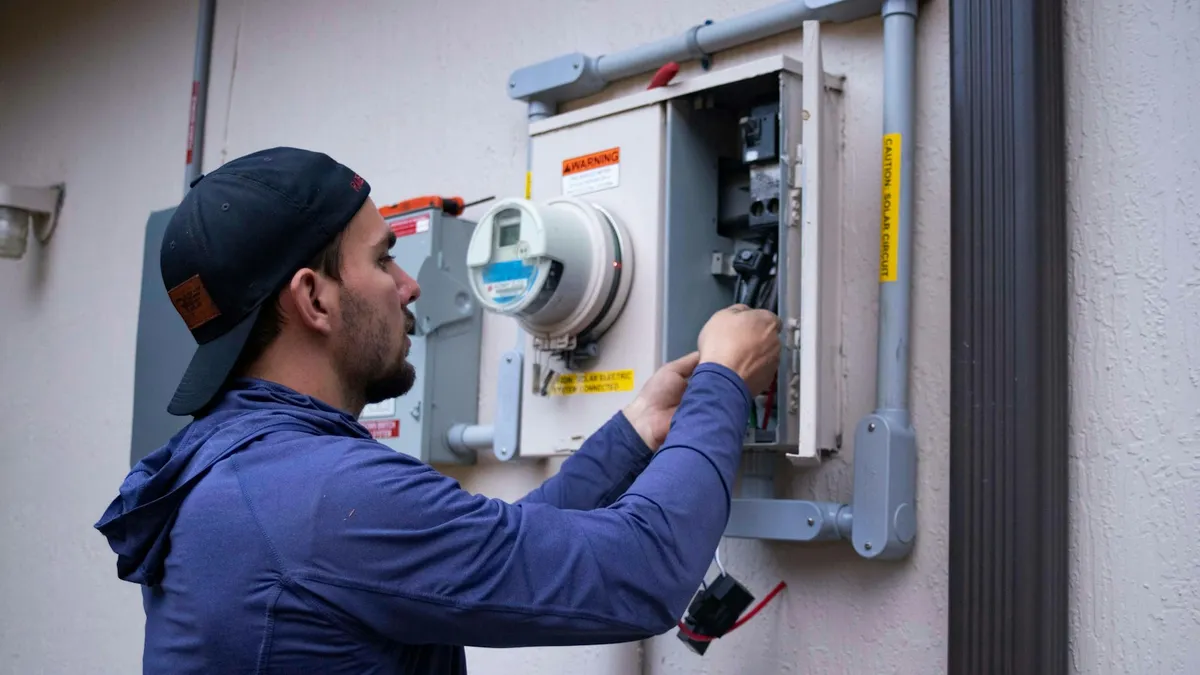
We measure it with a manometer, a simple gauge with two small hoses that tap into your ductwork on either side of the air handler. It takes about 15 minutes. The number we get back tells us more about why your system is struggling than almost anything else we could check that day.
Why Most Cape Coral AC Companies Skip It
Here's the honest answer: it slows a tech down, and it can turn up problems that aren't fixed with a quick part swap. A static pressure test might tell you the real issue is your return duct is undersized, or a previous contractor ran flex duct with three sharp bends where there should have been one gentle sweep, or your supply registers are too small for the tonnage of your system. None of that is a 20-minute fix. It's easier for a company on a tight schedule to top off refrigerant, change your capacitor, and tell you the AC is "running fine" — because on a gauge that only checks refrigerant charge, it is.
We test it on every full diagnostic visit because a system can have perfect refrigerant levels and a brand-new compressor and still make your house feel wrong. If we don't check static pressure, we're guessing at half the problem.
What High Static Pressure Is Doing to Your System
High static pressure means your blower motor is fighting against too much resistance somewhere in the duct system. In a Cape Coral home, that's usually one of a few culprits: ductwork that's too small for the system's airflow needs, too many sharp turns in flexible duct, a return air opening that can't pull in enough air, or — yes — a filter that's genuinely too restrictive for the system it's installed in (this is where the "better" filter can backfire; a high-MERV filter on a system designed for a basic one chokes airflow instead of helping it).
The consequences show up as: rooms that never get cold, a blower motor running louder and hotter than it should, ice forming on the indoor coil, and a compressor working under more strain than it was ever designed for. That strain is what turns a 15-year system into a 9-year system. It's also what makes your energy bill climb even though nothing about your thermostat settings changed.
What Low Static Pressure Means Too
Low static pressure gets less attention, but it's just as real a problem in Southwest Florida homes. It usually points to ductwork that's oversized relative to the equipment, duct leaks pulling air out of the system before it ever reaches a register, or a return large enough that air moves through too fast to shed humidity properly. In our climate, that last one matters more than people think — air that moves too quickly across the indoor coil doesn't have time to pull moisture out of it, which is exactly how a Cape Coral home ends up at 72 degrees on the thermostat and still feeling sticky.
Why This Explains the Filter-Change Cycle
When a homeowner tells us they've changed filters three times this year hoping it would fix the comfort problem, static pressure is usually the real story. A clean filter in a duct system that's already restricted doesn't solve the underlying resistance — it just removes one variable while the real one, the duct design or sizing, keeps working against the system every single day. That's why the "struggles no matter how many filters you change" pattern is so common, and so frustrating, for homeowners who are doing everything they've been told to do.
How Seven Level Air Handles It
Static pressure testing is a standard part of our full diagnostic visits, not an upsell we mention after we've already quoted a repair. We test the total external static pressure, compare it against what your specific equipment was designed to handle, and then we show you the number next to the manufacturer's rating so you can see the gap for yourself — no jargon, no guessing. If the fix is as simple as swapping to the right-rated filter, we'll tell you that. If it's a duct modification, we'll walk you through exactly what's involved and why, with our guarantee backing the work either way.
If your Cape Coral or Fort Myers home has an AC that runs constantly, a room that never quite cools, or a system that's had every part replaced except the one thing nobody checked, give us a call at (239) 402-3911. We'll bring the manometer, show you the number, and tell you the truth about what it means.

