
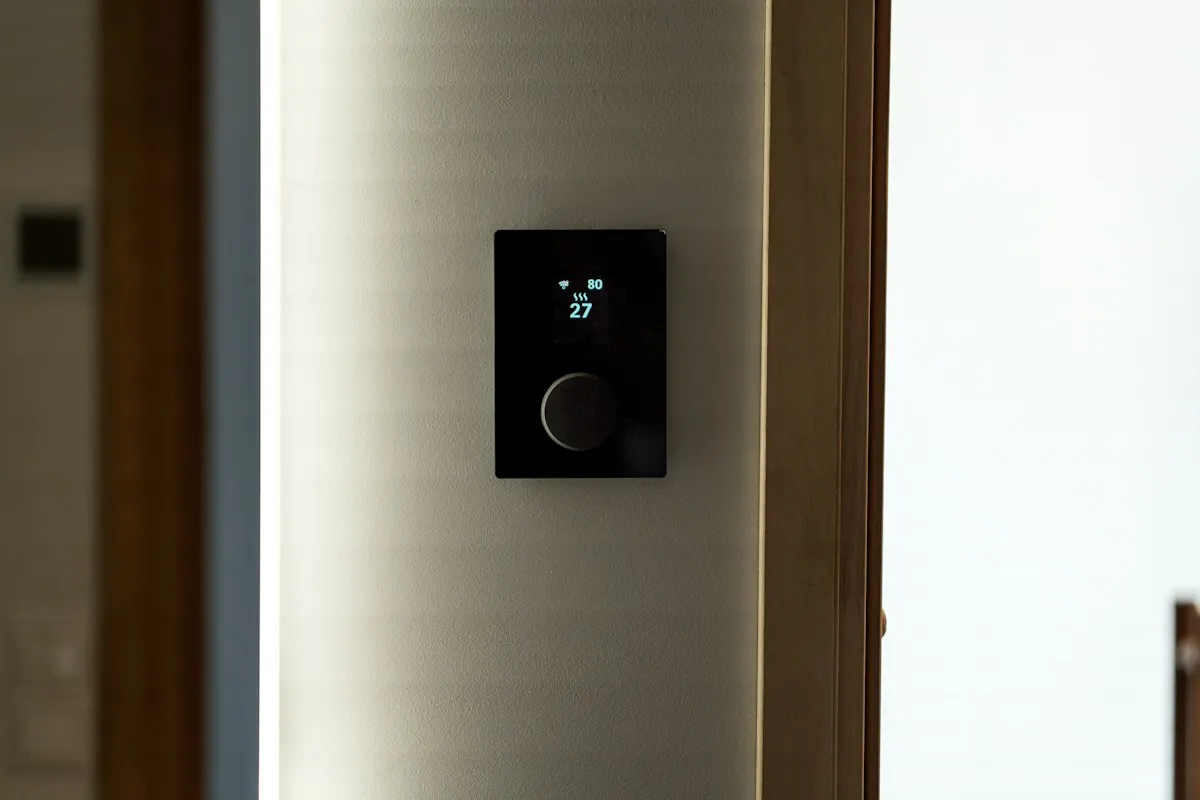
Smart Thermostats and Cape Coral's 10-Month Cooling Season: Do the Energy Savings Claims Actually Hold Up?
Smart thermostat ads promise 10-20% savings on cooling costs, and that math gets quoted everywhere — but those numbers come from national averages built around homes that run AC for four or five months a year. Cape Coral runs it for closer to ten. That difference changes whether a smart thermostat actually pays for itself here, and how fast.
Why the National Numbers Don't Translate Directly
Most smart thermostat savings studies model a household that cools from May through September and otherwise leaves windows open or runs the heat. In Cape Coral, the AC is the only HVAC mode most homes ever use, and it's working nearly year-round. That's actually good news for the math: a feature like geofencing or a learned schedule that nudges the setpoint up 3-4 degrees while nobody's home compounds over ten months instead of four. The percentage savings number from the ad might be roughly accurate — it just applies to a much bigger base of runtime hours than the national average assumes.
Where the Real Savings Come From
- Setpoint discipline, not the thermostat itself. A smart thermostat only saves money if it actually changes the setpoint while the house is empty or everyone's asleep. A household that sets it to 72°F and leaves it there gets none of the advertised savings — the hardware doesn't save energy, the behavior change does.
- Humidity-aware scheduling. SW Florida's humidity means a thermostat that only tracks temperature can let a home feel sticky at a "comfortable" setpoint, tempting homeowners to drop the temperature lower than necessary. Models with a humidity sensor or dehumidify mode hold comfort at a higher setpoint, which is where the real savings live.
- Short-cycling detection. Some smart thermostats flag a system that's cycling on and off too frequently — often the first sign of a sizing or airflow problem, not a thermostat problem. Catching that early avoids both comfort complaints and a bigger repair bill.
Where the Claims Don't Hold Up
A smart thermostat can't fix a system that's already undersized, leaking air through ductwork, or working against a failing capacitor. If a Cape Coral home's AC already runs close to flat-out through July and August, a smart thermostat has very little slack to recover — the savings claims assume there's room in the schedule to cut back, and a maxed-out system doesn't have that room. In that case, the bigger opportunity is usually the system itself or the ductwork, not the thermostat controlling it.
The Honest Version of the Math
For a typical Cape Coral home running cooling nearly year-round, a smart thermostat that's actually used to vary the setpoint during empty hours tends to land in the 8-15% range on the cooling portion of the bill — meaningful, but closer to the lower half of what national ads promise once Florida's humidity and near-continuous runtime are factored in honestly.
Not sure whether a smart thermostat upgrade or a tune-up on your existing system would move the needle more for your Cape Coral home? Contact Seven Level Air or call (239) 402-3911 — we'll look at the actual system before recommending either one.

