
Should You Shade Your Outdoor AC Unit in Cape Coral? What Actually Helps Efficiency and What Just Blocks Airflow
If you've spent any time in a Cape Coral or Fort Myers neighborhood, you've probably seen it: a homeowner builds a little roof over their outdoor AC unit, or plants a hedge of shrubs tight around it, trying to keep the Florida sun off the metal and squeeze a little more efficiency out of the system. It's a reasonable instinct — that unit sits outside in full sun for most of the day, and anything that keeps it cooler feels like it should help.
The truth is more specific than "shade good, sun bad." Done right, shading your condenser can give you a small efficiency bump. Done wrong, it can choke the airflow your system depends on and actually cost you more than the sun ever did.
What shade actually changes
Your outdoor unit's job is to dump the heat pulled out of your house into the outside air. The hotter the air around the coil, the harder the compressor has to work to make that heat transfer happen — which is part of why your AC strains more on a 95-degree Cape Coral afternoon than it does at night. A few degrees of shade on the unit itself, and especially shade that keeps direct sun off the top panel and refrigerant lines, can trim that workload slightly. Most studies on this put the realistic efficiency gain in the low single digits — real, but modest.
Shading the air around the unit matters more than shading the metal box. A condenser tucked under a covered lanai extension or on the shadier north or east side of the house will generally run a little easier than one baking on a south-facing wall in full sun from noon to sunset.
Where shading backfires
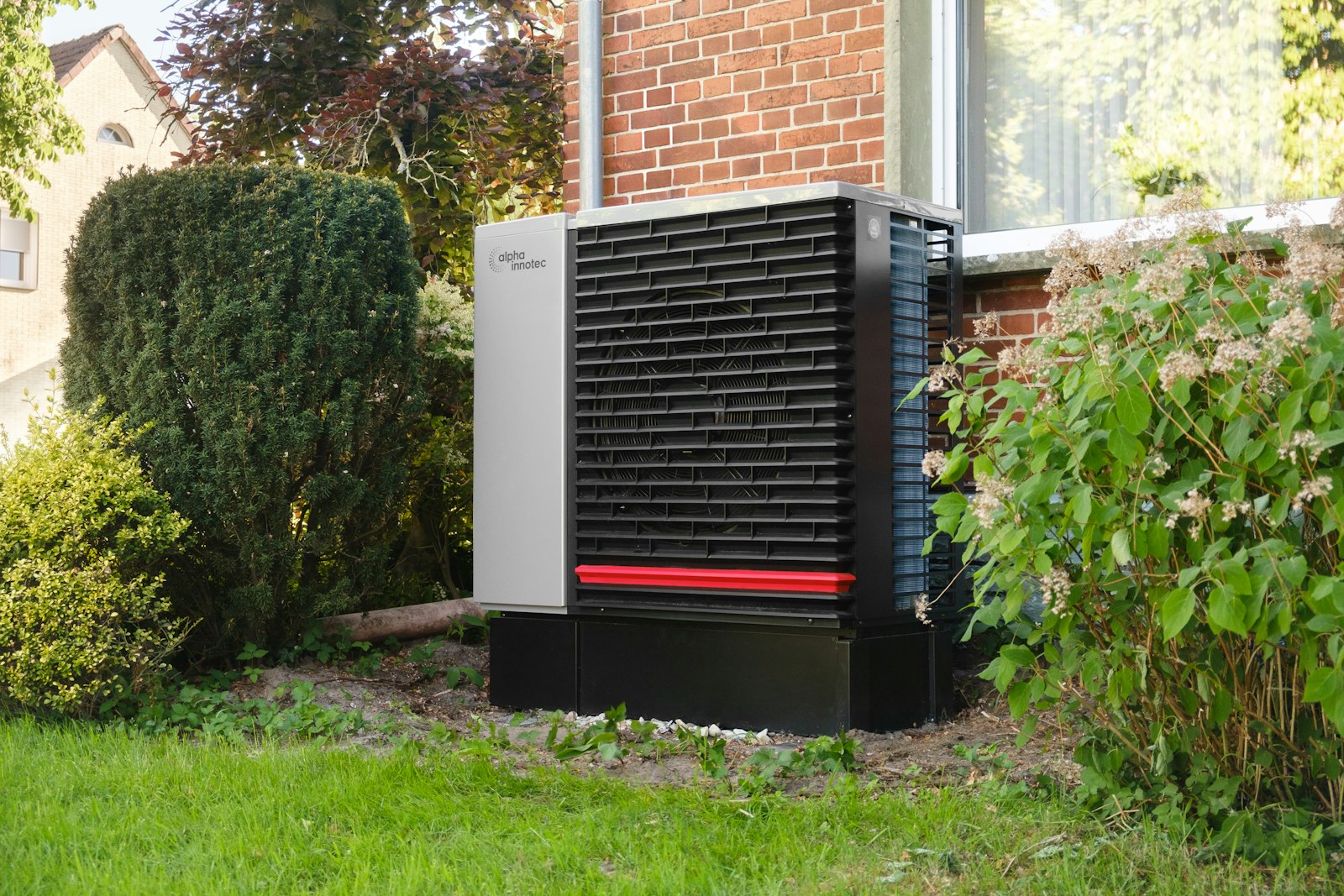
Every outdoor condenser needs clearance to breathe — most manufacturers call for at least 24 inches of open space on all sides and a clear path above for hot air to exhaust. A shade structure, a tight hedge, or decorative lattice that closes in that space does the opposite of what you want: it traps the hot air the unit just exhausted and makes the system pull it back in, which raises the air temperature around the coil more than any sun exposure would have.
We see this constantly on service calls — a unit "protected" by thick landscaping on three sides that's actually running hotter and harder than an identical system sitting in open sun a few houses down. The homeowner did the intuitive thing and made the problem worse.
The version that actually works
If you want to shade your unit in Cape Coral or Fort Myers, keep it simple: a freestanding shade structure or awning positioned a few feet above and to the side of the unit, with nothing blocking airflow at ground level or restricting the clearance on any side. Trim back any landscaping so there's open air movement around the whole cabinet, not just room to walk past it. And skip anything that wraps around the unit for looks — a lattice box or decorative screen almost always does more harm than the shade is worth.
Not sure if your current setup is helping or hurting your system? Contact Seven Level Air and we'll take a look at your unit's placement and clearance during a maintenance visit.

