
Lightning Capital of the Country: Why Your Cape Coral AC Needs a Dedicated Surge Protector (and What Homeowners' Insurance Won't Cover After a Strike)
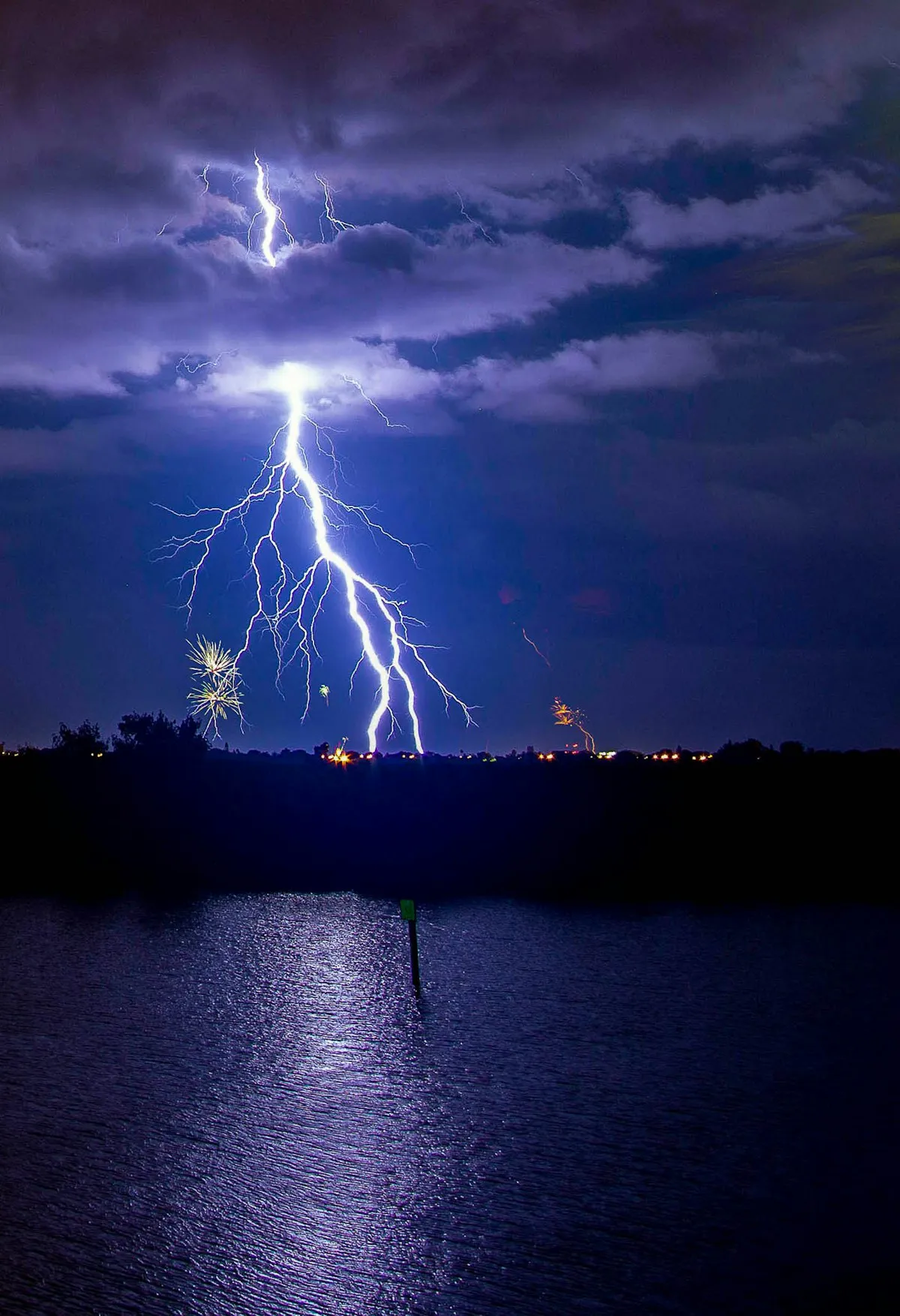
Cape Coral and Fort Myers sit in one of the most lightning-active corners of the country. Southwest Florida sees storms roll in almost daily through the summer, and every one of those storms sends power surges racing through the electrical lines feeding your home — including the ones feeding your air conditioner. Most homeowners never think about surge protection until a strike takes out their AC, and then the next question is usually the expensive one: does insurance actually cover this? Here's what we've learned installing and repairing systems across Cape Coral and Fort Myers for years, in plain English, no scare tactics.
Why Your AC Is the First Thing a Surge Finds
Your outdoor condenser is the most exposed piece of equipment on your property. It sits outside, wired directly into your home's electrical panel, with a compressor and circuit board that are sensitive to voltage spikes. When lightning strikes nearby — even a mile or two away, not a direct hit — it can induce a surge that travels through the power lines and straight into that unit. The compressor is expensive to replace on its own, and the control board that runs your whole system is even more sensitive. We see it every storm season: a unit that ran fine the night before won't power on the morning after a bad storm rolled through.
What a Surge Actually Does Inside the Unit
A surge doesn't always blow up the whole system dramatically. More often, it fries the control board quietly, trips internal safeties, or damages the compressor's start components just enough that the unit short-cycles or won't start at all. That's the frustrating part for homeowners — the unit looks fine from the outside, the breaker hasn't tripped, but the system won't run or it's running rough. Diagnosing surge damage takes a trained eye, because the symptoms can look identical to a dozen other AC problems. If your system suddenly stopped working right after a thunderstorm, that timing is the biggest clue we look for.
The Insurance Gap Nobody Explains Ahead of Time
Here's the part that catches Cape Coral homeowners off guard. Most standard homeowners policies do cover lightning damage — but only under specific conditions, and the fine print matters. A direct lightning strike to your home is usually covered. A power surge that traveled through the grid from a strike blocks away is a different story, and many policies either exclude it outright or cap surge-related claims well below what a new compressor and control board actually cost. Some insurers also require proof that you had reasonable protection in place, and a system with no surge protection can make a claim harder to win, not easier. Read your policy's "power surge" and "lightning" sections separately — they're often not the same coverage.
Whole-System Surge Protection: What It Is and What It Costs
A dedicated surge protector for your AC is a small device installed at the outdoor disconnect or the electrical panel that intercepts voltage spikes before they reach the compressor and control board. It's a one-time install, it doesn't require any change to how you run your system, and it's a fraction of the cost of replacing a compressor after a strike. We pair it with a whole-home surge protector at the panel when a homeowner wants full-property coverage, since your AC isn't the only appliance at risk — but if you're prioritizing one piece of equipment, the outdoor unit is the one that takes the hit first and costs the most to fix.
What to Do After a Strike (or a Close Call)
If your AC won't start after a storm, don't keep flipping the breaker or running it repeatedly — that can turn a fixable problem into a bigger one. Shut the system off at the disconnect and call us. We'll diagnose whether it's surge damage, a tripped safety, or something unrelated, and if it is storm-related, we'll document it clearly so you have what you need for an insurance claim. And if your system doesn't have surge protection yet, this is the conversation to have before the next storm, not after. We back every install and repair with a straight-up guarantee — no fine print, no surprises.
Worried about your AC's storm protection, or dealing with a system that went down after a recent thunderstorm? Contact Seven Level Air for an inspection, or call us directly at (239) 402-3911 and we'll get a technician out to you.

