
"Just Top Off the Freon": Why That $150 Fix Is a Band-Aid Over an EPA Violation
"Just top it off" is one of the most common phrases in Florida HVAC — and one of the most misleading. A Cape Coral AC blowing warm air almost always means low refrigerant, and a quick top-off can get the house cold again for a hundred and fifty bucks. But refrigerant doesn't disappear on its own. If your system is low, it's leaking, and recharging it without finding and fixing that leak isn't a repair. It's a temporary patch on a problem that's about to cost a lot more — and in some cases, it's not even legal to do.
Refrigerant Is a Closed System — Low Means Leaking
A properly sealed AC system doesn't lose refrigerant. It's charged once at installation and should hold that charge for the life of the equipment. If a technician finds your system low, refrigerant has escaped somewhere — a cracked line, a corroded coil, a bad connection — and simply adding more treats the symptom, not the cause. Within months, sometimes weeks, the system runs low again, and you're paying for another top-off instead of the leak repair that actually fixes it.
Worse, running a system low on refrigerant for an extended period makes the compressor work harder than it's designed to, which is one of the fastest ways to turn a leak repair into a full system replacement.
What EPA Section 608 Actually Requires
This isn't just a best-practices issue — it's federal law. Under the Clean Air Act, EPA Section 608 prohibits knowingly venting refrigerant and requires that any technician servicing a system with a refrigerant leak repair it before — or in some cases instead of — simply recharging it. Refrigerants used in home AC systems are regulated because they're potent greenhouse gases; a leaking system isn't just a comfort problem, it's an ongoing release into the atmosphere every day it goes unrepaired.
In practice, that means a licensed technician is required to:
- Perform leak detection before adding significant refrigerant to a system that's already been charged once
- Repair leaks that exceed the EPA's allowable annual leak rate before recharging, rather than recharging repeatedly around them
- Use EPA-certified recovery equipment and avoid intentionally venting refrigerant to the atmosphere
- Hold a valid Section 608 certification to legally purchase and handle refrigerant at all
A technician who repeatedly tops off the same system without ever diagnosing the leak isn't just leaving you with a recurring bill — they may be skipping a legal requirement.
Why the $150 Fix Costs More Than It Looks Like
A top-off feels cheap because it's cheap today. But add up three top-offs over a summer against one proper leak repair, and the math flips — before you factor in the compressor wear from running low, or the possibility that a neglected leak turns into a full refrigerant system failure. It's the same pattern that shows up with other AC shortcuts in Cape Coral: the deferred fix is rarely the cheaper one once you look past the first invoice.
What an Honest Repair Looks Like
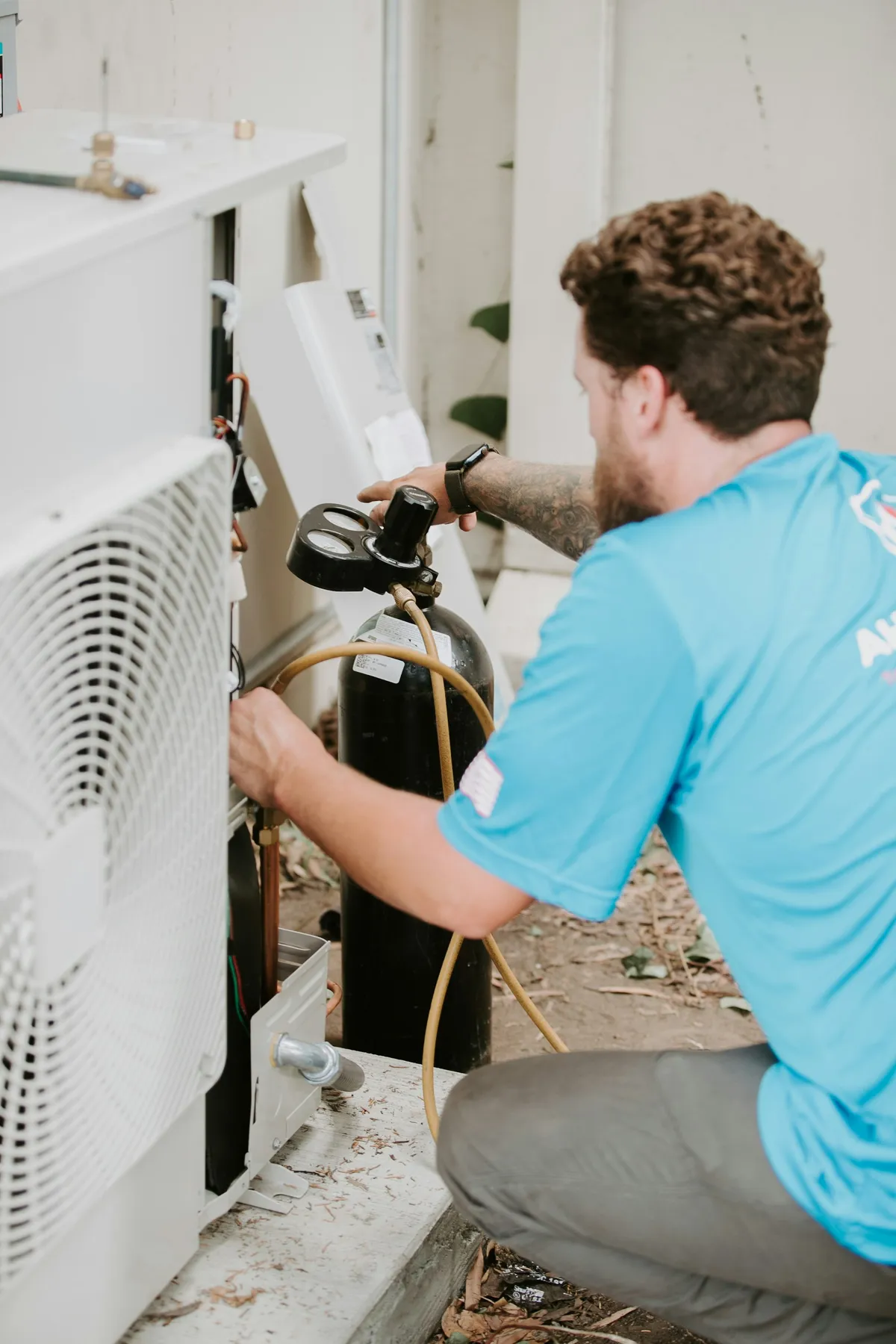
If your AC is low on refrigerant, a proper visit includes finding the leak — using electronic leak detectors, UV dye, or a nitrogen pressure test — repairing it, then recharging the system to the manufacturer's spec and verifying it holds. That's more involved than a top-off, which is exactly why it's worth asking directly: "did you find the leak, or just add refrigerant?" before you approve the work.
If your system has needed refrigerant more than once, it's time for an actual diagnosis instead of another top-off. Contact Seven Level Air to schedule an inspection — we'll find the leak, fix it right, and tell you straight what it'll take, veteran-owned and guarantee-backed.

