
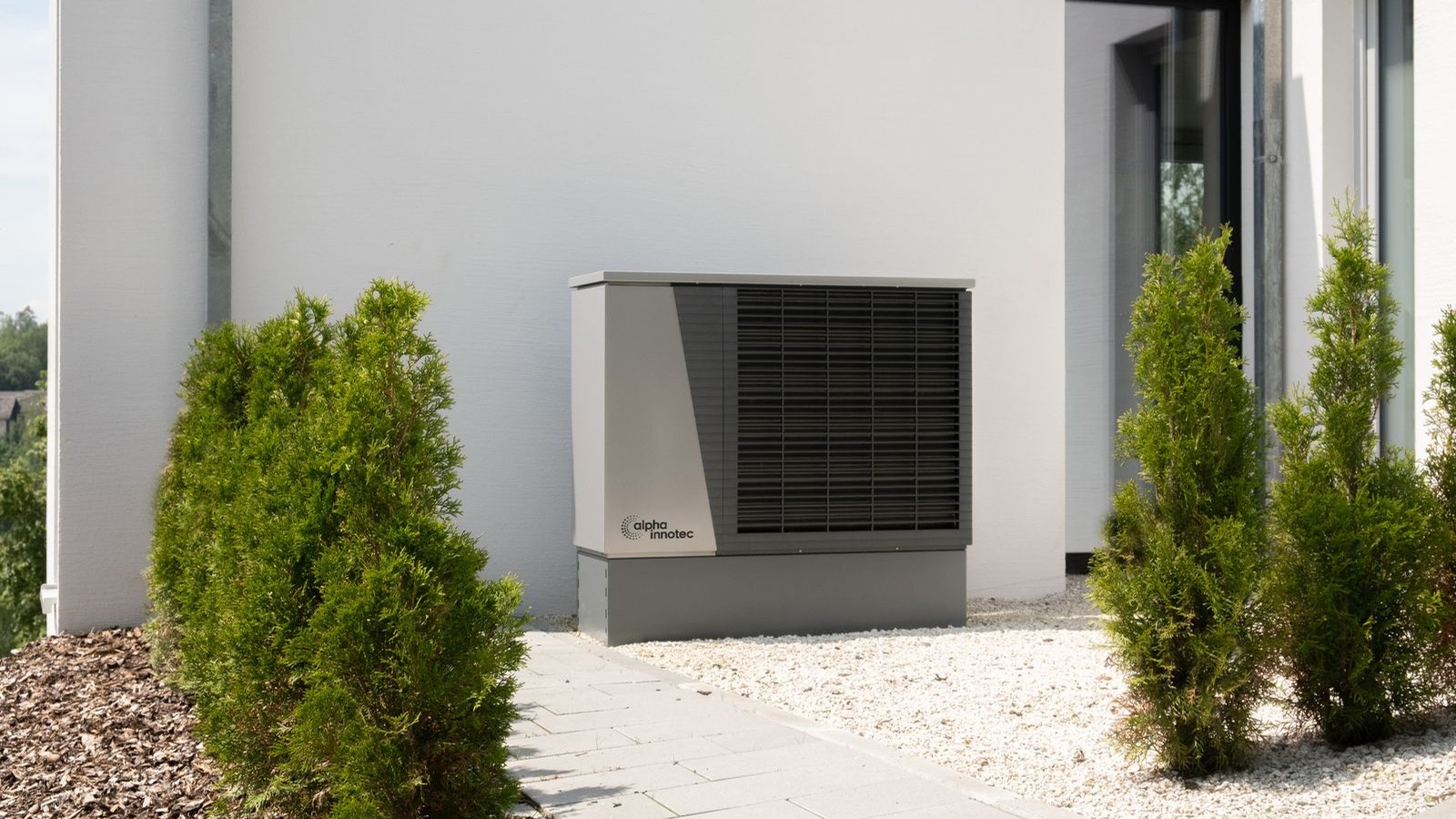
Heat Pump vs. Straight-Cool AC in Southwest Florida: Which One Actually Makes Sense When It's 78 in January
Every January, Cape Coral and Fort Myers get a handful of mornings in the fifties, a few evenings in the low sixties, and one cold snap that makes everybody talk about it for a week. Then it goes right back to 78 degrees and sunny.
That is the whole reason this question is confusing. In Ohio, the heat pump conversation is about winter. Here, winter is barely a season. So when a contractor quotes you a heat pump and the guy down the street quotes a straight-cool system with electric heat strips, and the price difference is real money, you deserve a plain answer about which one actually fits a Southwest Florida home.
The two systems, in plain English
A straight-cool air conditioner does one job: it moves heat out of your house. When you need warmth, a separate set of electric heat strips inside the air handler turns on. Heat strips are essentially a giant hair dryer — simple, cheap to install, reliable, and expensive to run.
A heat pump is the same air conditioner with a reversing valve added. In summer it moves heat out of the house exactly like a straight-cool unit. In winter it runs backwards and moves heat into the house, pulling warmth out of outdoor air even when that air feels cold to you. It still has backup heat strips for the rare morning when it cannot keep up.
Here is the part that matters: in cooling mode, the two are the same machine. A 16-SEER2 heat pump and a 16-SEER2 straight-cool unit cool your house identically and cost the same to run in July. The entire difference shows up on the handful of days a year you ask for heat.
What the difference costs on a Florida heating bill
Electric heat strips convert electricity to heat at roughly a one-to-one ratio. A heat pump delivers somewhere around two to three units of heat for every unit of electricity it uses, because it is moving heat rather than creating it. On a cold night, that is a meaningful gap.
Now apply it to our climate. A typical Cape Coral home might genuinely call for heat on 15 to 25 days a year, and on most of those days it is a couple of hours in the early morning, not all night. The heat pump wins every one of those hours — but there are not many of them.
Run the arithmetic honestly and the heating savings on a Southwest Florida home usually land in the range of a modest restaurant tab per year, not a car payment. If a contractor tells you a heat pump will slash your power bill here, ask which months they are talking about. Your bill is a summer problem, and the reasons it jumps in summer have nothing to do with your heat source.
So when does a heat pump make sense here?
It still does, in several common situations:
- The price gap is small. On many modern system lines, the heat pump version is a few hundred dollars more, not a few thousand. At that spread, take the heat pump — you get better winter comfort for close to nothing.
- Your electrical panel is tight. Heat strips draw a lot of current. If adding a full strip package means a panel upgrade, the heat pump may actually be the cheaper installed job.
- You keep the house warm. Households that set 74 in January use far more heat than households that put on a sweatshirt. More heating hours means the efficiency gap actually compounds.
- You have a heat-sensitive household. Heat pump air comes out warm and steady. Strip heat comes out hot and cycles hard, which some people find drying and uncomfortable.
- Resale. Heat pumps read as the more complete system on a listing, and they are what most new construction in Lee County installs.
And when is straight-cool the right call?
- The price gap is large. If the heat pump adds $1,200 to the job to save you $40 a winter, that is a 30-year payback on a system that will not last 30 years.
- Seasonal home or rental. If the property sits empty from May through November — or the reverse — heating hours are close to zero. Put the money into a better thermostat setup and a proper vacant-home strategy instead.
- You are replacing on an emergency timeline. Straight-cool systems and their parts are stocked deeper locally. In a July no-cool situation, availability sometimes beats theory.
The mistake that costs more than either choice
Homeowners spend weeks agonizing over heat pump versus straight-cool and five minutes on the two decisions that actually determine whether they like their new system: sizing and installation quality.
An oversized system — heat pump or not — short-cycles, never runs long enough to pull humidity out of the air, and leaves you with a house that is 74 degrees and clammy. That is why 75 degrees can feel like 80 in a Florida living room. Leaky or undersized ductwork wastes a quarter of what you paid for before the air ever reaches a room. A refrigerant charge that is off by a few ounces quietly costs you efficiency for the life of the equipment.
A correctly sized 15-SEER2 straight-cool system installed well will outperform an oversized 18-SEER2 heat pump installed badly, every single summer, without exception. Insist on a Manual J load calculation — the industry-standard room-by-room heat gain calculation — rather than a technician matching whatever tonnage was there before.
One more Southwest Florida factor: salt air
If you are within a few miles of the water, the outdoor unit's coil and cabinet are on a corrosion clock regardless of which type you buy. Heat pumps run more total hours per year than straight-cool units because they also run in winter, which means slightly more exposure — not enough to change your decision, but enough to make coil coatings and a regular freshwater rinse routine worth asking about on either system.
The short version
In Southwest Florida, both systems cool your home identically. The heat pump is the better machine on the 20 or so mornings a year you want heat, and it is worth choosing when the price gap is modest, your panel is tight, or you like the house genuinely warm in January. Straight-cool with heat strips is a perfectly honest choice for a seasonal home or a tight budget — and nobody should feel talked into paying a large premium for a feature this climate barely uses.
What neither choice can survive is the wrong tonnage, bad ducts, or a sloppy install. Get those right and you will be happy with either.
Not sure which one your home actually needs?
We will measure the house — not guess from the old label — walk you through both options with real numbers for your square footage, and give you a straight recommendation with no pressure. That is what veteran-owned, concierge-level service is supposed to mean.
Contact Seven Level Air to schedule an inspection, repair, or maintenance visit, or call us at (239) 402-3911. We serve Cape Coral, Fort Myers, and the surrounding communities.

