
The First 90 Days With a New AC: What a Proper Break-In, Airflow Check, and Follow-Up Visit Should Actually Look Like
Your new AC just went in, the install crew packed up, and the house feels cold again. It's tempting to think the job is done. But the first 90 days after a new system goes in are when small setup issues turn into either a smooth 15-year run or a string of nuisance calls — and most of that comes down to whether a proper break-in, airflow check, and follow-up visit actually happen. Here's what that should look like, so you know what to expect from us and what to watch for if anyone else did the install.
Week One: The Break-In Period Isn't Just Marketing Language
A new system needs a little time to settle — refrigerant charge stabilizes, moving parts seat properly, and your home's actual cooling load reveals itself for the first time under real Cape Coral conditions instead of a technician's estimate. During this first week, it's normal for the system to cycle a bit differently than your old one. What's not normal: short-cycling (turning on and off every few minutes), unusual noise that doesn't fade after a day or two, or humidity that feels worse than before. Any of those in week one point to a setup issue, not a break-in quirk — call us before it becomes a bigger repair.
The Airflow Check Most Installers Skip
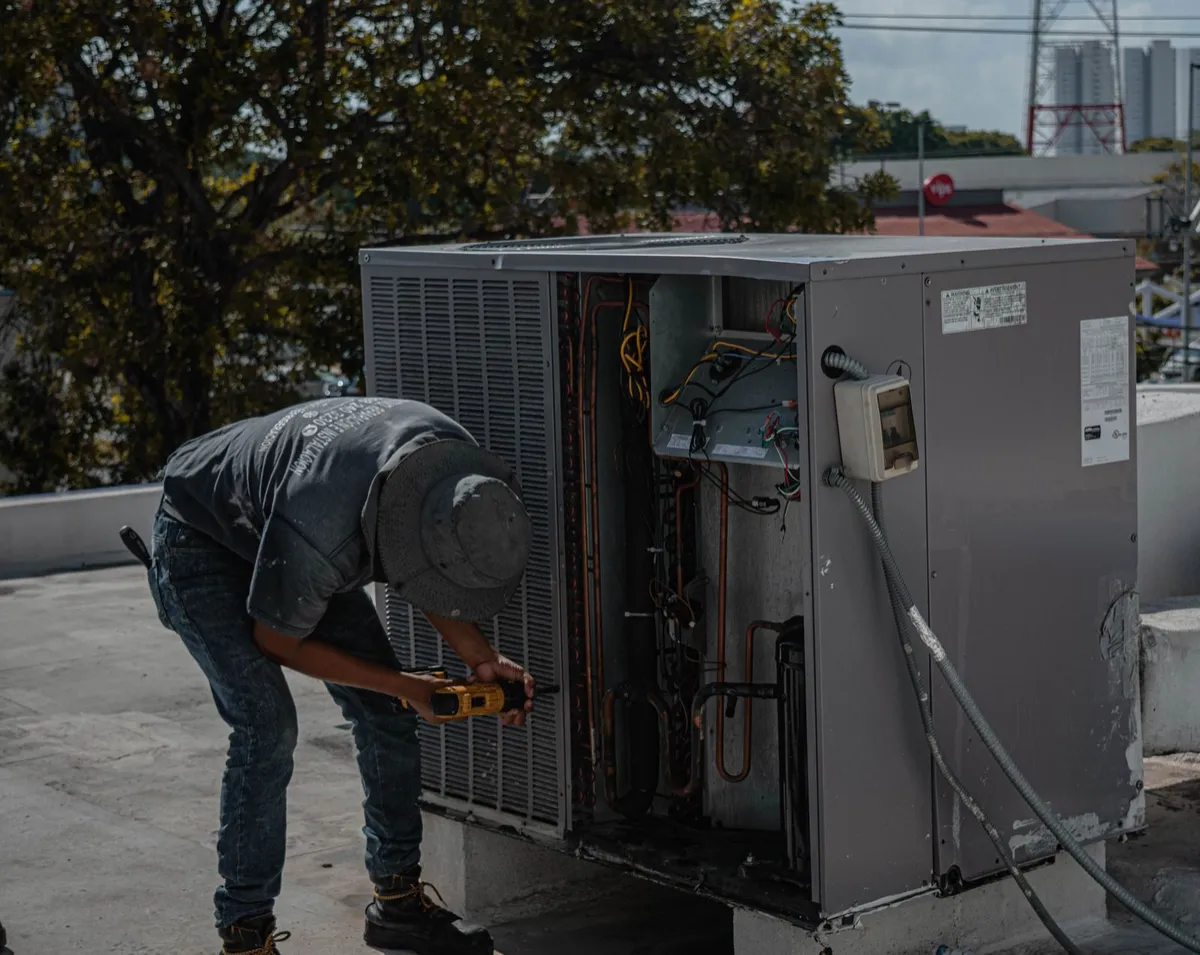
Here's the part that separates a rushed install from a proper one: measuring actual airflow at the supply registers, not just assuming the new unit is sized right because the old one was. Ductwork designed for a 10-year-old system doesn't automatically match a new unit's airflow requirements, especially if your home has had additions, a finished garage, or closed-off rooms since the original ducts went in. We check static pressure and register airflow as part of every install specifically because an AC that's correctly sized on paper can still run inefficiently — or freeze up — if the ductwork can't move the air it's designed to move.
What a Real Follow-Up Visit Covers
A follow-up visit inside the first 60-90 days isn't a courtesy call — it's when we recheck refrigerant charge under normal operating conditions (not the day-of-install conditions), confirm the thermostat is calibrated to your actual comfort preferences, and walk you through anything in the system's behavior that looked unfamiliar in those first few weeks. This is also when small things get caught early: a slightly loose panel, a condensate line that's draining slower than it should, or a filter size that doesn't quite fit your return. None of these are emergencies, but none of them should still be wrong six months from now either.
What You Should Be Tracking at Home
You don't need to be a technician to help this process along. Note your energy bill for the first full billing cycle and compare it to what you were told to expect. Pay attention to whether every room cools evenly, especially upstairs rooms or additions. And if you smell anything musty in the first few weeks, don't wait — new equipment on old, dirty ductwork can surface odors that weren't obvious before because the old system wasn't moving as much air. Bring all of it to the follow-up visit even if it seems minor.
Why This Matters More in Cape Coral Than Almost Anywhere Else
A system that's correctly broken in and airflow-checked in its first 90 days is a system built to handle a Florida summer for the long haul — not just survive the install season. Skip that step, or work with a company that doesn't build it into the process, and you're more likely to be back on the phone in August when the humidity and heat expose whatever wasn't caught in month one.
Just had a new system installed, or getting one soon? Contact us to schedule your follow-up airflow check, or ask us to walk you through what to expect before the crew even arrives.

