
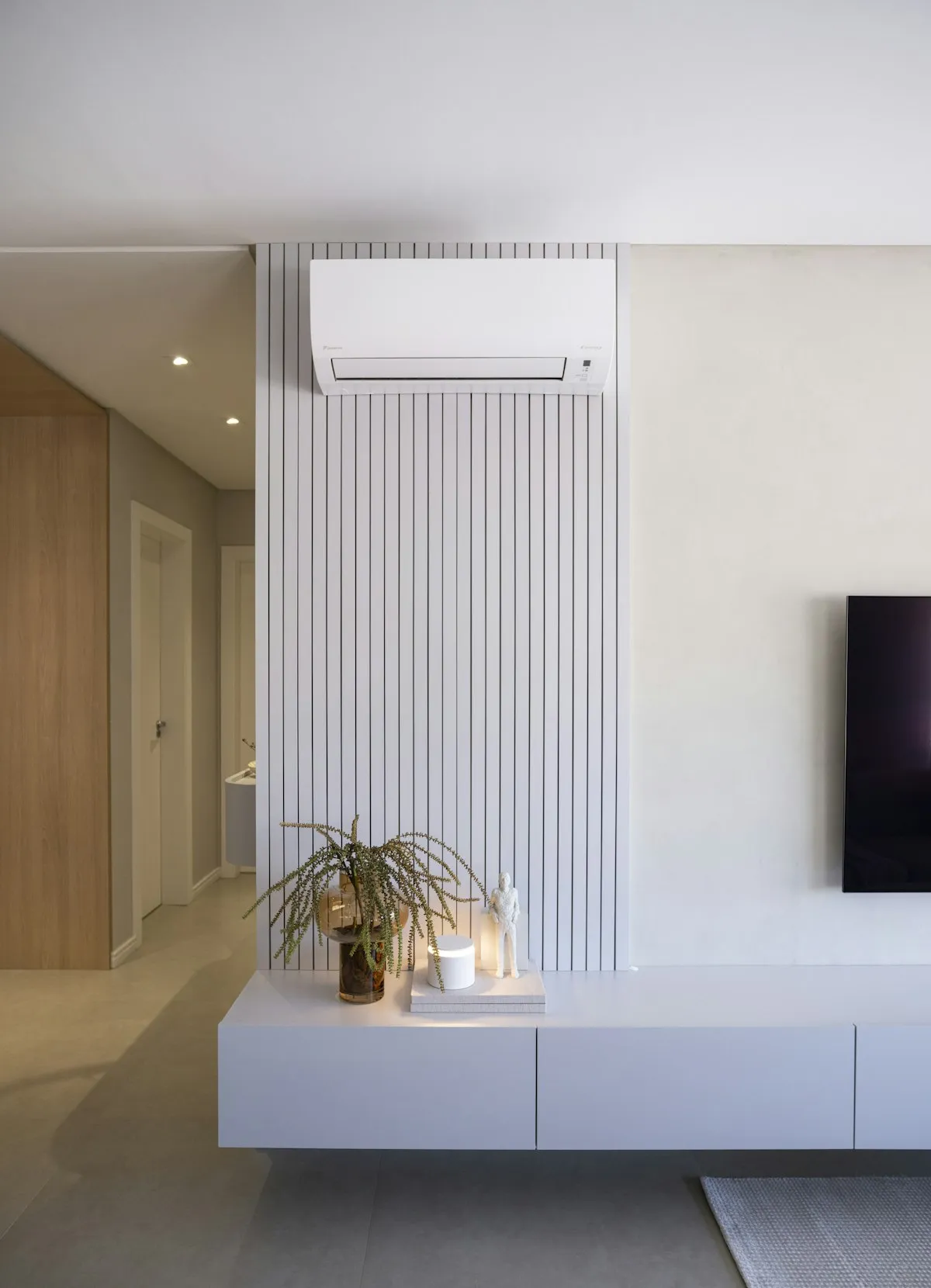
Ductless or Re-Duct? Why Some Older Cape Coral Homes Save More Going Ductless Than Fixing the Existing Ductwork
If your Cape Coral home was built before the mid-1990s, there's a decent chance the ductwork above your ceiling has been there just as long — sitting in a hot attic, breathing in and out with every humid Florida afternoon, slowly losing its seal. When a homeowner calls us because a room never gets cold or the electric bill keeps climbing, "fix the ductwork" is the automatic assumption. But for a growing number of older Cape Coral homes, going ductless with a multi-zone mini-split system actually pencils out better than repairing what's already there. Here's how we help homeowners tell the difference.
What "fixing the ductwork" really involves in an older home
Duct repair sounds simple until a technician is actually up in the attic. In homes from the 80s and 90s, we commonly find flex duct insulation that's compressed, torn, or chewed through, metal boots that have separated from the drywall, and mastic seals that failed years ago. A proper repair isn't a $150 patch job — it's resealing every joint, replacing crushed or kinked runs, and often adding insulation the original builder skipped. On a single-story home with a full, walkable attic, that's a manageable afternoon. On a lot of older Cape Coral homes with low-pitch roofs and tight, cramped attic chases, it's a multi-day crawl-and-patch project, and some runs simply aren't accessible without opening ceiling drywall.
Where ductless actually wins
We're not anti-ductwork — a well-sealed duct system delivering conditioned air from a central air handler is still the right call for most whole-house setups. But ductless (mini-split) systems make more sense than a re-duct in a few specific situations we see constantly in Cape Coral:
- The attic chase genuinely can't be fixed without major demo. If reaching a run means cutting into finished ceilings in multiple rooms, a ductless head in that zone is often cheaper and less invasive than the repair.
- Additions, Florida rooms, and converted garages with no duct connection at all. Extending a central system into a space it was never designed to serve usually undersizes that zone. A dedicated ductless head is built for exactly that room.
- Rooms that have never matched the rest of the house. If one bedroom has run 4-5 degrees warmer than the thermostat reading for years, that's almost always an undersized or leaking duct run — and a ductless head solves it permanently instead of chasing the leak.
- Homes where duct losses are eating 25-30% of every cooling cycle. We measure this with a duct leakage test, not a guess. When losses are that severe, the math on full duct replacement starts to compete with going ductless outright.
The real numbers, side by side
A full duct system replacement in a mid-size Cape Coral home typically runs more than most homeowners expect once attic access, insulation code requirements, and drywall patching are factored in. A single-zone ductless head for one problem room costs a fraction of that. A whole-home multi-zone ductless system, replacing ductwork entirely, lands closer to a full duct replacement in upfront cost — but it carries two advantages a duct system never will: zero duct losses (nothing to leak in an attic that regularly hits 130°F), and room-by-room temperature control, so you're not cooling an empty guest room to the same setpoint as the kitchen during dinner.
What we actually check before recommending either path
We don't guess on this, and we don't default to whichever job is bigger. Before we recommend ductless or a duct repair, we run a duct leakage test, inspect what's actually accessible in the attic, and do a room-by-room load calculation so any new equipment — ducted or ductless — is sized for the house you actually have, not a generic rule of thumb. That's the same guarantee-backed approach behind every install we do, whether it's a single ductless head in a converted garage or a full system replacement.
If a room in your Cape Coral or Fort Myers home has never cooled right, or you're staring down a duct repair estimate that feels too high to be real, let's actually look at what's up there before you spend a dollar. Contact Seven Level Air for an inspection, or call us directly at (239) 402-3911 — we'll tell you straight which option actually saves you money.

