
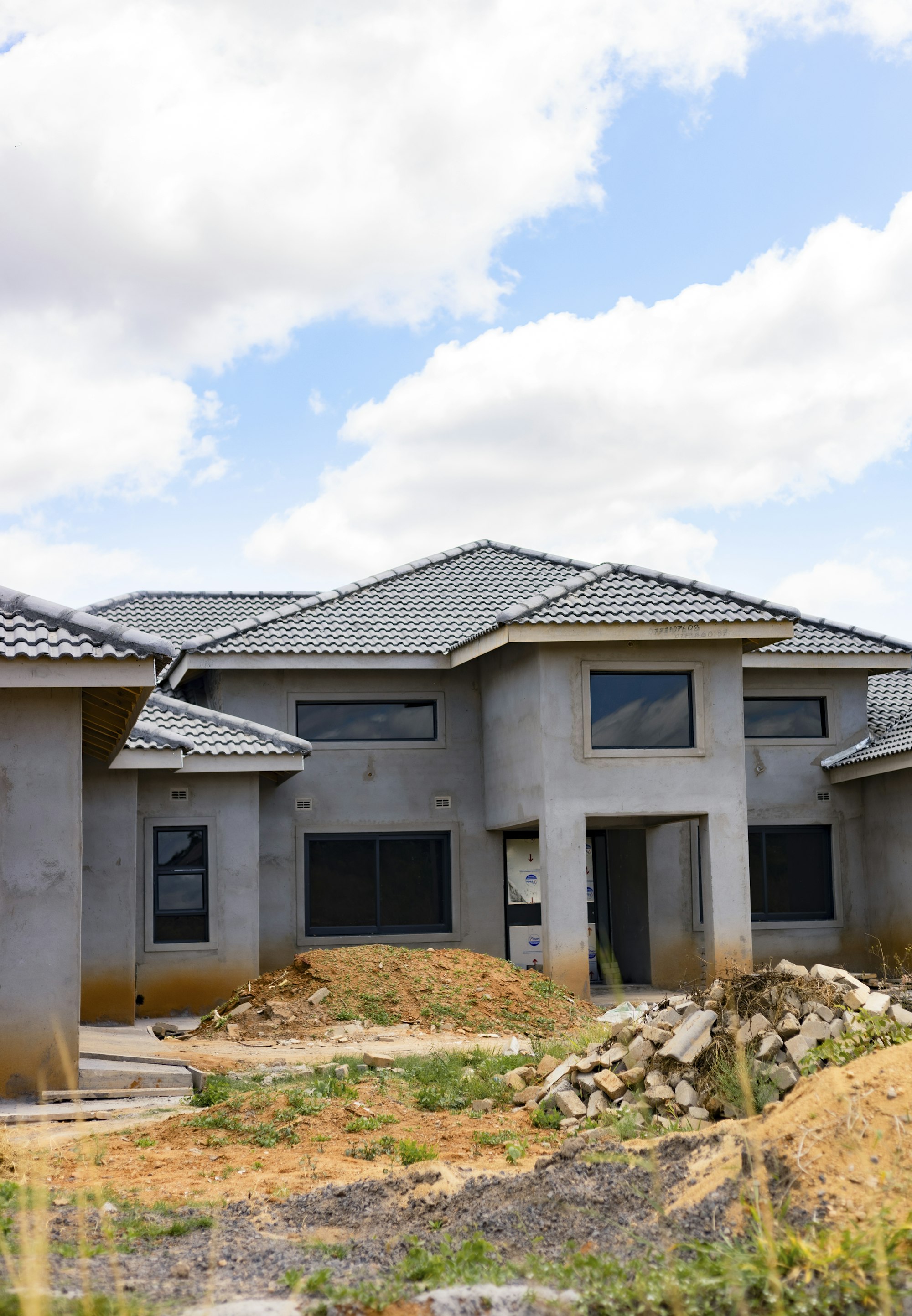
Builder-Grade AC in New Cape Coral Construction: Why the Unit That Passed Inspection Isn't Always the Unit Your Home Needs
If you bought new construction in Cape Coral or Fort Myers, someone probably told you the AC system was "brand new" like that settles the matter. It doesn't. New doesn't mean right-sized. It means it passed inspection — and inspection checks whether a unit is installed to code, not whether it's the correct unit for your specific house.
We get called out to new-construction homes more than people expect, usually within the first two Florida summers. The homeowner assumes something broke. Nothing broke. The system is running exactly as designed — it's just designed to a budget, not to your comfort.
Why builder-grade isn't a slur, it's a spec sheet
Production builders work on tight margins across dozens of homes at once. The HVAC contractor on a new subdivision is usually bidding a package deal: a certain tonnage, a certain SEER2 rating, a certain brand tier, applied across every floor plan of a similar square footage. It's not corner-cutting exactly — it's standardization. The unit meets code, meets the permit, meets the manufacturer's minimum warranty terms, and gets the certificate of occupancy issued on schedule.
What that process skips is the thing that actually determines comfort: a room-by-room Manual J load calculation for your house, your windows, your insulation, your roof orientation, and how you actually live in it. A builder-grade install is sized off a rule of thumb for the floor plan — not a measurement of your walls.
Where it shows up first
The mismatch rarely announces itself as a failure. It shows up as small, aggravating patterns:
- The primary suite or the room over the garage never quite catches up to the thermostat setting, especially by 4 PM.
- The system short-cycles — on for eight minutes, off for six — because it's oversized for the actual heat load and satisfies the thermostat before it ever removes real humidity.
- The house feels cold and clammy at the same time. That's a classic oversizing symptom: enough cooling capacity to hit the temperature number, not enough runtime to pull moisture out of Southwest Florida's air.
- Utility bills that don't match a "new, efficient system" — because a unit working against its own sizing runs less efficiently than its SEER2 rating suggests, no matter how new it is.
None of this means the unit is defective. It means the unit and the house were never actually matched to each other in the first place.
What actually needs checking
When we walk a new-construction call, we're not there to tell you the builder ripped you off. We're there to find out whether the equipment fits the house. That means:
- A real load calculation — not a guess based on square footage, but a room-by-room look at glass, orientation, insulation, and duct runs.
- Airflow at the registers — undersized or poorly laid-out ductwork can choke a perfectly good condenser, and that's a builder-stage decision, not an equipment decision.
- Refrigerant charge verified against the manufacturer's spec — a rushed subdivision install is exactly where a charge gets eyeballed instead of measured.
- Zoning fit — a two-story great-room floor plan with one thermostat is a common builder shortcut, and it's usually the actual root cause of the "upstairs is always hotter" complaint.
Sometimes the fix is a duct adjustment or a damper, not a new system. Sometimes the unit really is undersized for a house with a lot of west-facing glass, and the honest answer is a bigger investment. We'll tell you which one it is before we recommend anything — that's the whole point of a guarantee that means something. If we say a repair will fix it, and it doesn't, we come back and make it right at no additional charge. You shouldn't have to gamble on which contractor is telling you the truth.
Your builder's warranty has a clock on it
Most new-construction HVAC warranties run one year on labor, longer on parts, through the builder's contractor. If something is genuinely wrong with the install — not just undersized, but installed incorrectly — that window is the cheapest time to get it corrected. Past that, you're paying for the fix yourself. A second-opinion inspection during year one, from a company with no stake in the original bid, is one of the better-spent service calls a new homeowner can make.
What to do next
If your new Cape Coral or Fort Myers home has never quite cooled evenly, or the AC seems to run constantly without the house ever feeling dry and comfortable, that's worth a look — especially while you're still inside the builder's warranty period. As a veteran-owned company, we built our business on giving straight answers instead of upsells, and we'll tell you plainly whether your builder-grade system needs an adjustment, a repair, or nothing at all.
Schedule an inspection at https://www.sevenlevelair.com/contact or call us at (239) 402-3911, and we'll find out what your house actually needs — not what the floor plan next door got.

